The Silent Vanishing
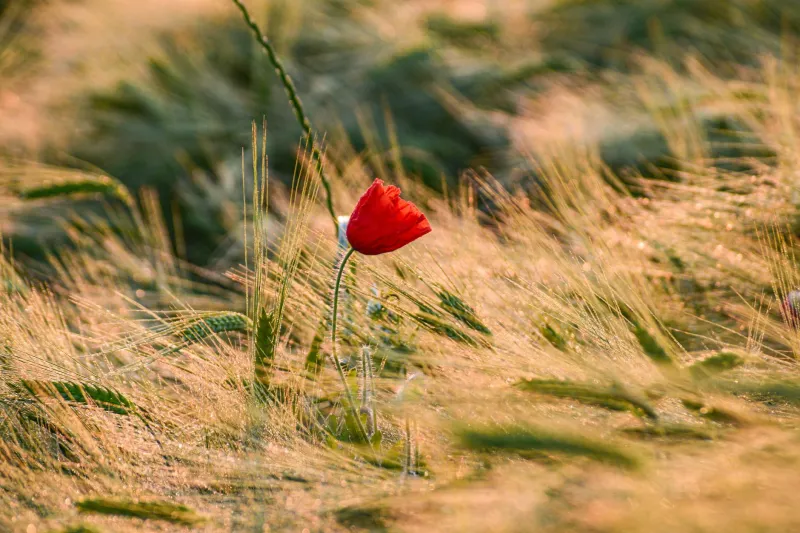
Across the rolling countryside of East Anglia, where golden wheat once rippled alongside scarlet poppies and azure cornflowers, a different scene unfolds today. The modern arable landscape presents an almost sterile uniformity—efficient, productive, but eerily devoid of the botanical diversity that characterised British farming for millennia.
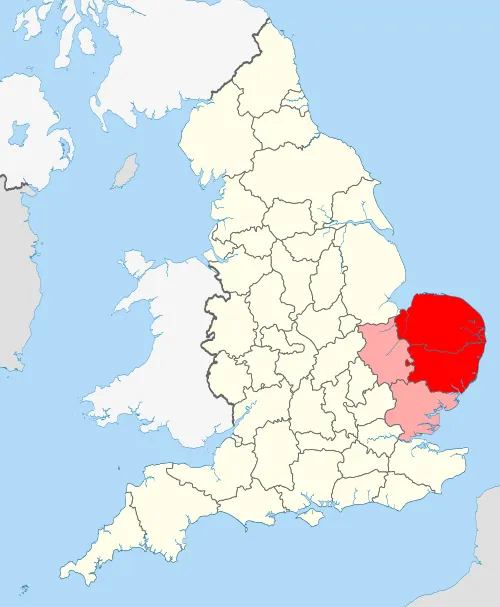 Photo: East Anglia, via upload.wikimedia.org
The transformation happened with shocking speed. Between 1950 and 1990, Britain lost 98% of its species-rich hay meadows and 95% of its cornfield wildflowers. Species like corncockle (Agrostemma githago), once so abundant that farmers considered it a nuisance, vanished from entire counties. The delicate pheasant's eye (Adonis annua) disappeared from all but a handful of sites. Shepherd's needle (Scandix pecten-veneris), with its distinctive feathery seed heads, became a botanical ghost story.
The Chemical Revolution's Toll
Post-war agricultural intensification didn't merely change farming practices—it rewrote the ecological rulebook. The introduction of selective herbicides, combined with improved seed cleaning techniques and the abandonment of traditional crop rotations, created an environment fundamentally hostile to wild plants that had co-evolved with agriculture for thousands of years.
"These plants weren't weeds in the modern sense," explains Dr Sarah Phillips, a conservation botanist at the Royal Botanic Gardens, Kew. "They were integral components of a working ecosystem that supported everything from pollinating insects to seed-eating birds. Their loss represents one of the most profound ecological simplifications in British history."
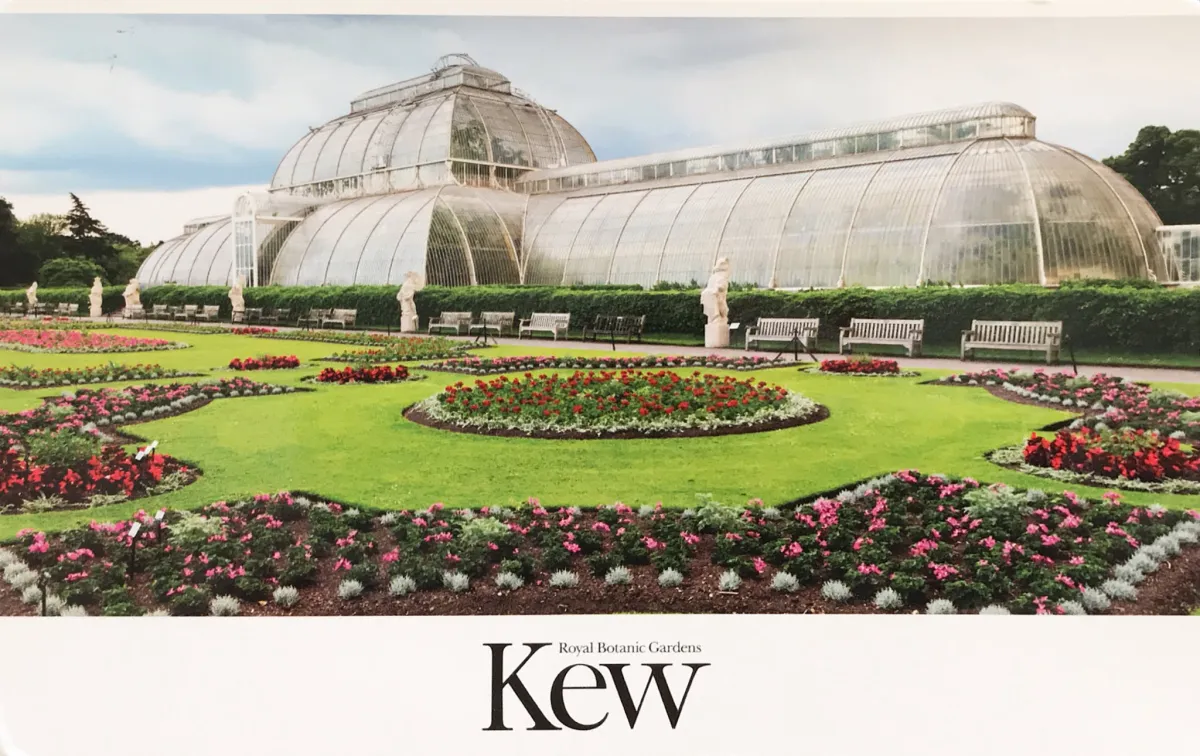 Photo: Royal Botanic Gardens, Kew, via 1.bp.blogspot.com
The statistics paint a stark picture. The Rothamsted Insect Survey documented a 60% decline in aphid-eating ladybirds between 1970 and 2004, directly correlating with the loss of overwintering habitat in field margins. Farmland bird populations crashed by 56% over the same period, as the intricate food webs supporting species like yellowhammers and linnets unravelled.
Seeds of Hope
Yet across Britain today, a quiet rebellion is taking root. In the chalky soils of Hampshire, farmer James Crawford has dedicated 15 hectares of his arable land to recreating Victorian cornfields, complete with heritage wheat varieties and carefully sourced wildflower seeds. His fields now blaze with the colours that once defined the English countryside: corn marigolds, cornflowers, and the increasingly rare corn buttercup.
"It's not about returning to subsistence farming," Crawford emphasises, walking between strips of modern winter wheat and conservation headlands alive with butterflies. "It's about proving that profitable agriculture and biodiversity can coexist. These margins produce nothing directly, but they're supporting the pollinators and pest predators that benefit my main crops."
The scientific evidence supports his approach. Research by the Centre for Ecology and Hydrology found that farms with diverse field margins show 30% higher populations of beneficial insects and significantly improved soil health indicators. The economic benefits, whilst harder to quantify, are becoming increasingly apparent as the hidden costs of simplified ecosystems mount.
The Seed Bank Guardians
Behind these restoration efforts lies a network of botanical ark-builders. The Millennium Seed Bank at Wakehurst houses genetic material from over 95% of Britain's native flora, including many arable species collected just before their local extinctions. Plantlife, the wild plant conservation charity, maintains living collections of the rarest cornfield annuals, carefully propagating species like red hemp-nettle and Venus's looking glass.
"Every seed tells a story," reflects Dr Helen Terry, Plantlife's Head of Science. "The corncockle seeds we're growing today are descendants of plants that survived the Black Death, the Little Ice Age, and two world wars. They represent an unbroken chain of genetic adaptation that we're desperately trying to preserve."
The technical challenges are immense. Many arable wildflowers require specific soil conditions, particular disturbance regimes, and precise timing of agricultural operations. Some, like corn cleavers, have seeds that remain dormant for decades, emerging only when conditions precisely match their evolutionary programming.
Scaling the Mountain
Despite these successes, the scale of restoration remains dwarfed by the magnitude of loss. Britain's entire network of conservation headlands covers less than 50,000 hectares—barely 0.8% of the country's arable land. Meanwhile, intensive agriculture continues to expand, driven by global food security concerns and economic pressures that rarely account for biodiversity costs.
The European Union's Common Agricultural Policy reforms offered hope through environmental stewardship schemes, but Brexit has created uncertainty about future support for conservation farming. Early indications from the Environmental Land Management scheme suggest continued commitment to biodiversity enhancement, but funding levels remain unclear.
"We're essentially trying to rebuild a cathedral with matchsticks," admits Professor Jane Memmott, an ecologist at the University of Bristol. "The restoration work is scientifically sound and locally successful, but it's happening against a backdrop of continued habitat loss and climate change that makes long-term success uncertain."
The Climate Factor
Climate change adds another layer of complexity to restoration efforts. Many cornfield wildflowers are adapted to specific temperature and rainfall patterns that are shifting rapidly. Species like corn buttercup, already confined to southern England, face an uncertain future as warming temperatures push their optimal growing conditions northward faster than they can naturally migrate.
Conversely, some restoration projects are experimenting with assisted migration, introducing southern European arable wildflowers to British sites as potential climate analogues. Early trials in Kent are growing species like purple viper's bugloss and corn gromwell, testing whether these Mediterranean natives might fill ecological niches left vacant by declining British species.
The Measure of Success
As Britain's wildflower resurrection continues, the question remains whether scattered restoration can ever truly compensate for landscape-scale simplification. The answer may lie not in returning to the past, but in reimagining agriculture's future. Emerging approaches like regenerative farming and agroecology suggest that biodiversity enhancement and food production need not be mutually exclusive.
The ghosts in the grain are stirring, but their full resurrection will require more than botanical expertise and conservation enthusiasm. It demands a fundamental reckoning with how we value the countryside—not merely as a food factory, but as a living landscape where wild beauty and human prosperity can flourish together.