The New Coastal Gold Rush
The emails arrive daily in marine conservation offices across Britain. Corporate sustainability managers, carbon credit brokers, and investment fund representatives all seeking the same thing—access to seagrass restoration projects that can generate verified carbon credits. What was once the preserve of underfunded marine charities has become a multi-million-pound market, with companies queuing to offset their emissions through Britain's coastal shallows.
The transformation has been remarkable. Five years ago, seagrass restoration struggled for basic funding. Today, projects from the Solent to the Scottish Highlands attract corporate investment that dwarfs traditional conservation budgets. Lloyds Banking Group has committed £2 million to seagrass restoration around the UK coast. Microsoft's climate fund has invested £500,000 in a single project off the Welsh coast. Multinational corporations view seagrass meadows as natural carbon-capture machines that can offset their emissions whilst delivering positive environmental outcomes.
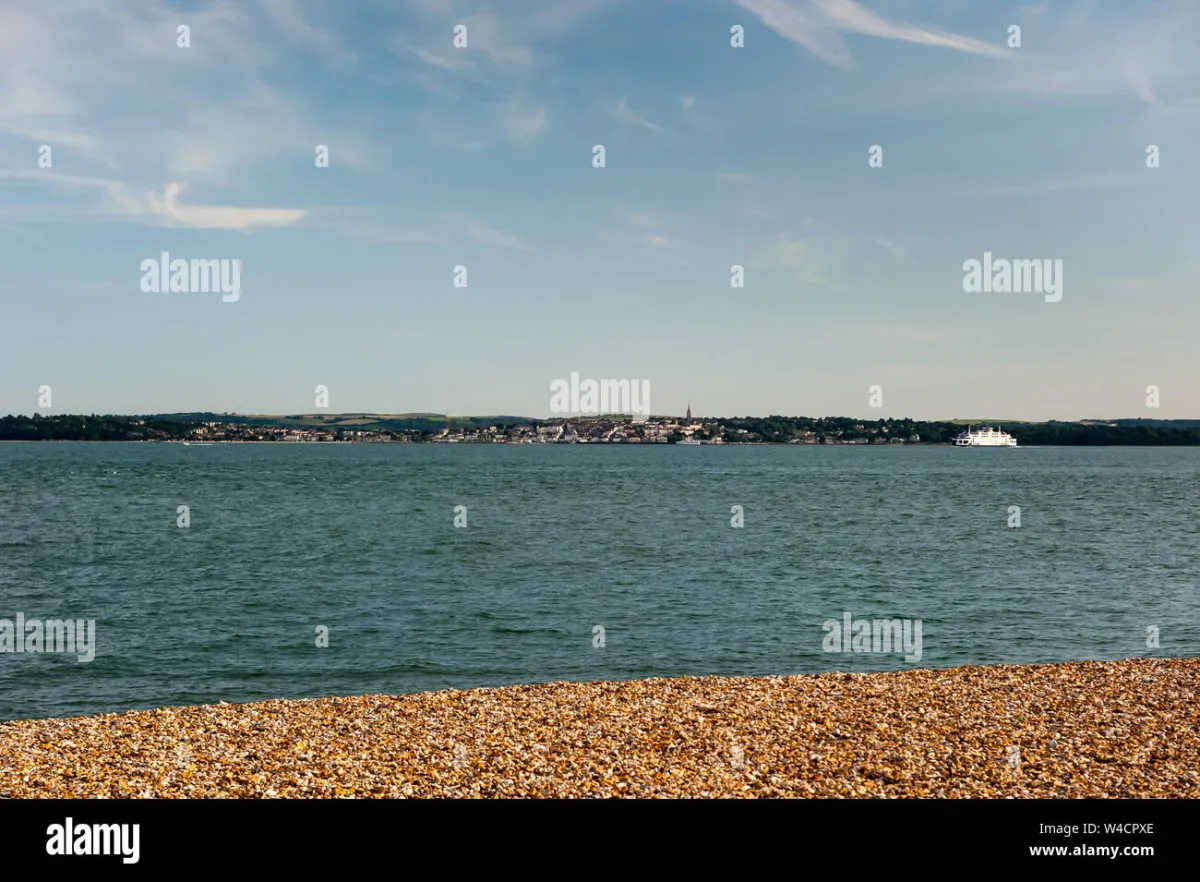 Photo: The Solent, via c8.alamy.com
Yet beneath the enthusiasm lies a more complex story. Marine ecologists who have dedicated their careers to understanding seagrass ecosystems are raising uncomfortable questions about market-driven conservation. Can financial markets be trusted as custodians of fragile marine habitats? Are carbon credit standards robust enough to ensure genuine environmental benefit? And what happens to restoration projects when carbon prices fall or corporate priorities shift?
The Science Behind the Sales Pitch
Seagrass meadows undoubtedly represent one of nature's most effective carbon storage systems. These underwater prairies capture atmospheric CO2 through photosynthesis and lock it away in their extensive root systems and the sediments beneath. Per hectare, seagrass beds store carbon at rates that dwarf terrestrial forests—up to 35 times more efficient according to some estimates.
Dr Emma Richardson, who leads the UK's most comprehensive seagrass carbon research programme at Plymouth Marine Laboratory, explains the appeal to corporate buyers. "Seagrass offers a compelling narrative—visible marine restoration that delivers measurable carbon benefits alongside biodiversity enhancement. For companies seeking credible nature-based solutions, it ticks every box."
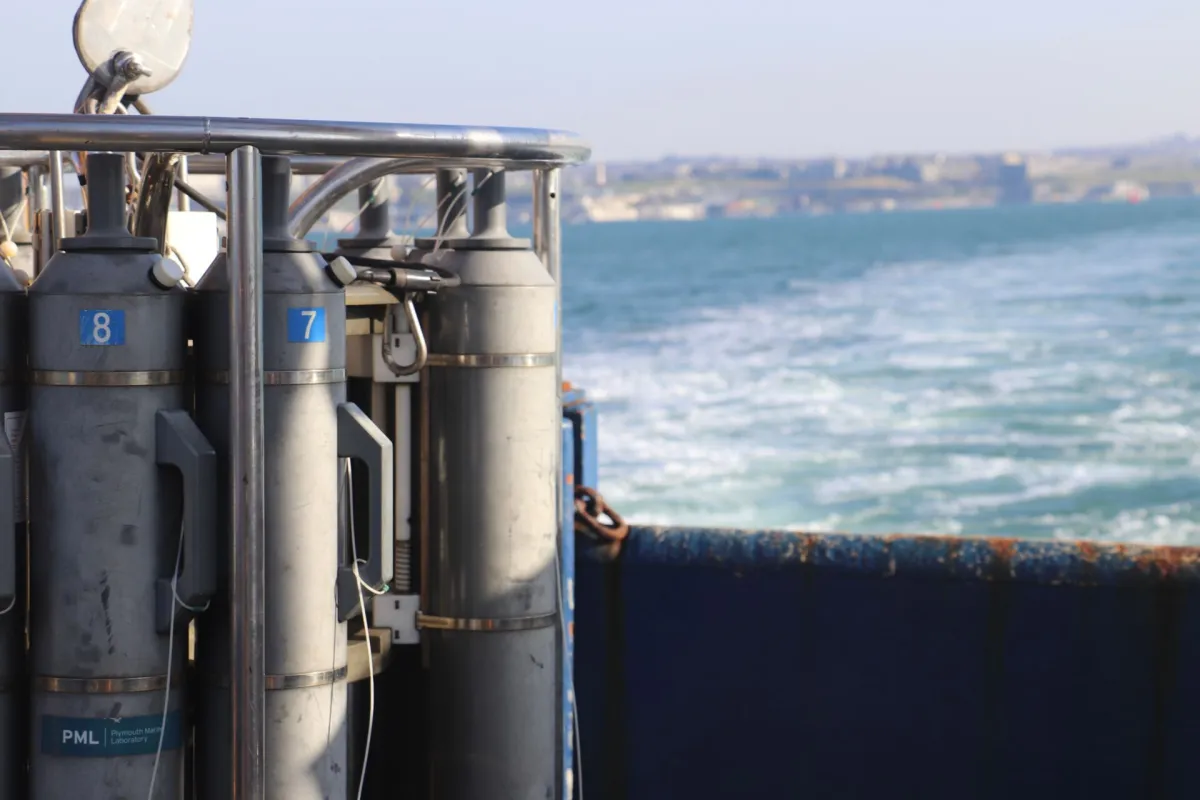 Photo: Plymouth Marine Laboratory, via biofilms.ac.uk
However, Richardson's research reveals significant gaps between marketing claims and scientific reality. Carbon storage rates vary dramatically between sites, influenced by sediment type, water depth, nutrient levels, and exposure to wave action. Many corporate-funded projects lack the baseline data necessary to verify carbon benefits, relying instead on generalised estimates that may overstate actual sequestration by factors of ten or more.
"We're seeing projects claiming carbon benefits based on global averages rather than site-specific measurements," Richardson warns. "It's scientifically indefensible, but the carbon credit verification system isn't sophisticated enough to catch these discrepancies."
When Markets Meet Marine Ecosystems
The Solent provides a case study in market-driven seagrass restoration. This stretch of water between the Isle of Wight and mainland Hampshire once supported over 1,500 hectares of seagrass meadows. Industrial pollution, coastal development, and boat anchoring reduced this to fewer than 150 hectares by 2010.
Restoration efforts began in earnest five years ago, initially funded by the Environment Agency and local wildlife trusts. Progress was slow but methodical—careful site selection, community engagement, and long-term monitoring protocols designed to maximise ecological success rather than carbon credits.
The arrival of corporate funding in 2021 transformed the project's scale and pace. A consortium of financial services companies committed £5 million to accelerate restoration across 500 hectares, generating an estimated 50,000 tonnes of carbon credits over 20 years. The investment allowed project managers to purchase specialised planting equipment, hire additional staff, and expand operations to previously unfunded sites.
Yet the accelerated timeline has created tensions with established restoration protocols. Traditional approaches involve extensive community consultation, detailed environmental impact assessments, and adaptive management strategies that allow for mid-course corrections. Corporate funders, under pressure to demonstrate rapid progress to shareholders, prefer fixed timelines and guaranteed outcomes that sit uncomfortably with the uncertainties of marine restoration.
Project manager Sarah Whitfield describes the challenge: "We're being asked to provide carbon credit guarantees for a 20-year period, but seagrass restoration success depends on variables we can't control—storm damage, disease outbreaks, changes in water quality. The financial model assumes predictability that doesn't exist in marine ecosystems."
The Verification Problem
The carbon credit industry relies on third-party verification to ensure that claimed environmental benefits are real, additional, and permanent. For seagrass projects, this verification process faces unprecedented challenges that existing standards struggle to address.
Unlike terrestrial forest projects where carbon storage can be measured through satellite imagery and ground surveys, seagrass carbon assessment requires underwater sampling, sediment core analysis, and complex biogeochemical modelling. Few verification bodies possess the marine expertise necessary to audit these assessments effectively.
Dr Michael Torres, who serves on the verification panel for several UK seagrass projects, acknowledges the system's limitations. "We're applying terrestrial forestry standards to marine ecosystems," he admits. "The science is fundamentally different, but the verification protocols haven't adapted. We're essentially taking project developers' word for carbon benefits we lack the expertise to independently verify."
This verification gap has created opportunities for creative accounting. Projects routinely claim carbon benefits for areas where seagrass establishment remains uncertain, banking credits against future growth that may never materialise. The permanent loss requirements—designed to ensure carbon storage persists over decades—prove particularly problematic for seagrass meadows vulnerable to storm damage, disease, and climate change impacts.
Ecological Concerns and Unintended Consequences
Marine scientists express growing concern about restoration projects designed primarily to generate carbon credits rather than restore ecosystem function. Seagrass meadows support complex food webs that extend far beyond carbon storage—providing nursery habitat for commercial fish species, supporting declining populations of seahorses and pipefish, and maintaining water quality through nutrient cycling.
Carbon-focused restoration often prioritises fast-growing seagrass species that maximise short-term carbon sequestration over native varieties better adapted to local conditions. The result can be ecologically simplified meadows that lack the structural complexity and species diversity of natural systems.
Professor Janet Morrison, who studies seagrass ecology at the Scottish Association for Marine Science, has documented concerning trends in corporate-funded projects. "We're seeing monoculture plantings of Zostera marina because it grows quickly and stores carbon efficiently," she explains. "But natural seagrass meadows in these areas historically supported three or four species, each filling different ecological niches. We're creating carbon farms, not ecosystem restoration."
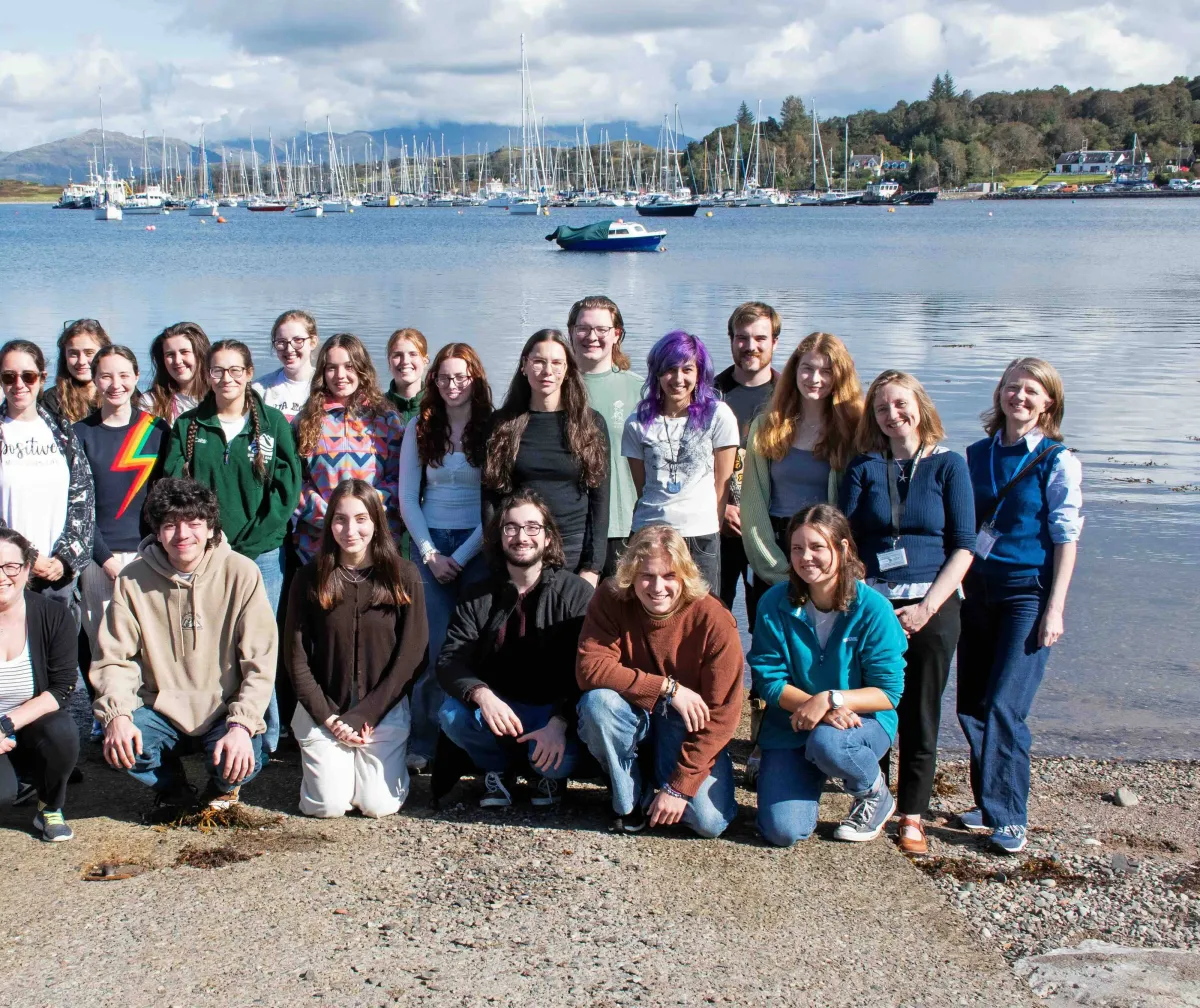 Photo: Scottish Association for Marine Science, via images.marinetechnologynews.com
The focus on measurable outcomes also drives restoration towards easily monitored shallow-water sites, often overlooking deeper meadows that may be more ecologically valuable but harder to survey. The result is a restoration programme shaped more by verification convenience than ecological priority.
The Price of Conservation
The economics of carbon-credit-funded seagrass restoration reveal fundamental tensions between market mechanisms and conservation objectives. Carbon prices fluctuate based on regulatory changes, economic conditions, and investor sentiment—factors entirely disconnected from ecological outcomes.
Current UK seagrass carbon credits trade at £15-25 per tonne of CO2, making large-scale restoration financially viable. However, carbon market analysts predict significant price volatility as government policies evolve and alternative offsetting options emerge. Projects dependent on carbon revenue face an uncertain future if prices collapse or regulatory changes reduce demand.
This market dependence creates perverse incentives for project design. Long-term ecosystem monitoring—essential for understanding restoration success—generates no revenue and often gets cut when budgets tighten. Community engagement programmes that build local support for conservation face similar pressures.
Dr Lisa Chen, an environmental economist at Cambridge University, argues that carbon markets fundamentally misalign conservation incentives. "We're asking marine ecosystems to generate financial returns for corporate shareholders," she observes. "When those returns disappoint—as they inevitably will—what happens to the restoration sites? Who takes responsibility for long-term maintenance and monitoring?"
A Different Path Forward
Some organisations are experimenting with hybrid funding models that combine carbon revenue with traditional conservation financing. The Marine Conservation Society's Seagrass Ocean Rescue programme blends corporate carbon credits with government grants and charitable donations, reducing dependence on volatile carbon markets whilst maintaining scientific rigour.
This approach allows for longer-term thinking about restoration success, incorporating ecosystem services beyond carbon storage and building resilience against market fluctuations. Projects can prioritise ecological outcomes whilst still generating carbon credits to attract corporate investment.
However, such models require sophisticated financial engineering and strong institutional governance—resources that many marine conservation organisations lack. The simpler carbon-credit-only approach remains attractive despite its limitations.
The Verdict on Blue Gold
Britain's seagrass meadows face genuine threats that require urgent action. Climate change, coastal development, and water pollution continue degrading these vital ecosystems faster than natural recovery can occur. In this context, corporate investment through carbon markets offers resources that traditional conservation funding cannot match.
Yet the evidence suggests that market-driven restoration, as currently structured, may be creating new problems whilst solving old ones. Projects designed to generate carbon credits rather than restore ecosystem function risk establishing simplified, financially motivated plantings that lack the resilience and biodiversity of natural meadows.
The challenge lies in harnessing corporate investment whilst maintaining scientific integrity and ecological focus. This requires stronger verification standards, longer-term thinking about ecosystem outcomes, and governance structures that prioritise conservation over financial returns.
As Dr Richardson concludes: "Carbon markets could be a powerful tool for seagrass conservation, but only if we're honest about their limitations and design projects around ecological success rather than financial convenience. The current approach risks turning our coastal waters into offshore carbon plantations—green in accounting terms, but potentially devastating for marine biodiversity."
The future of Britain's seagrass meadows may depend on whether we can resolve this tension between market efficiency and ecological integrity. The stakes could not be higher—for our coastal ecosystems and the credibility of nature-based climate solutions more broadly.