The Great Migration
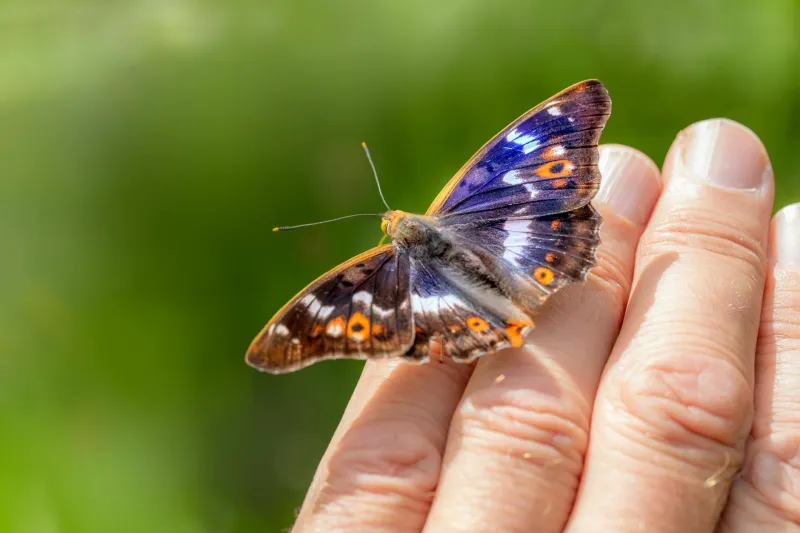
On a warm September morning in 2023, retired teacher Margaret Thornfield was walking her usual route through Thetford Forest when she spotted something that made her reach for her camera. Fluttering among the brambles was a butterfly she'd never seen before in Norfolk—a Southern White Admiral, its distinctive white bands gleaming against dark wings.
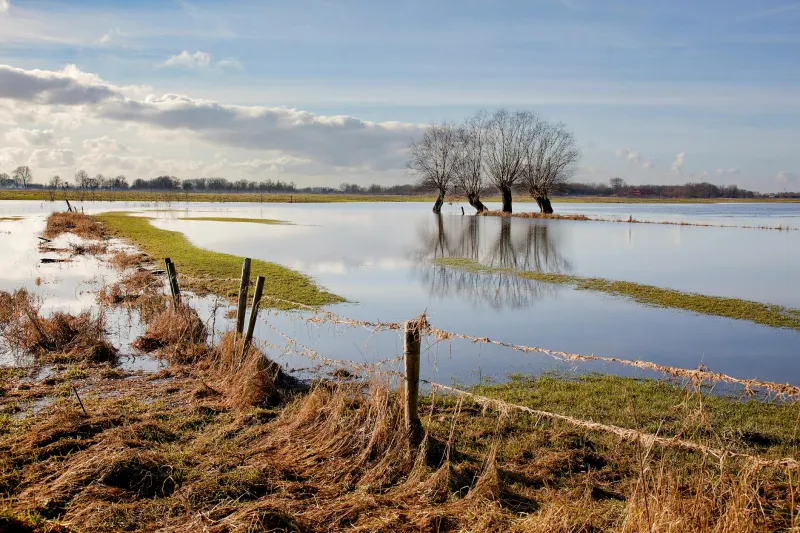
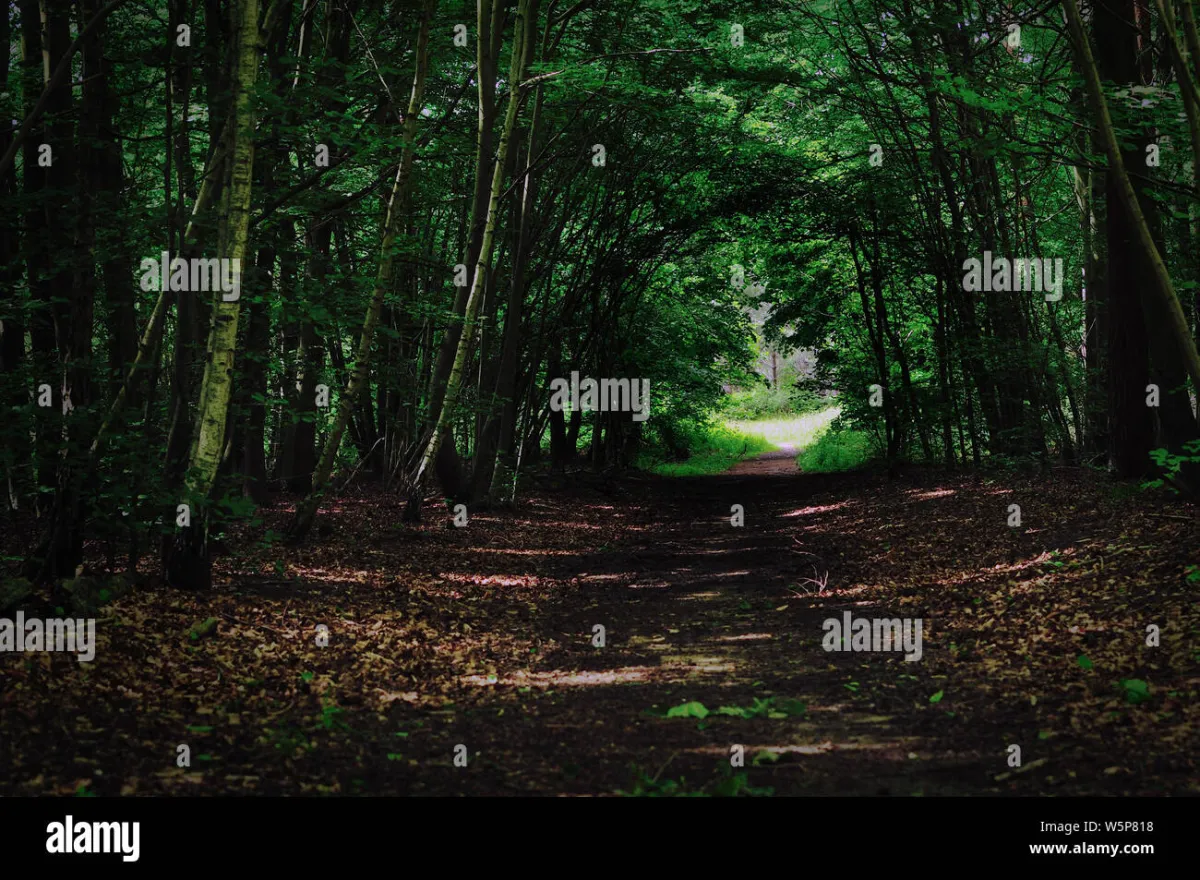 Photo: Thetford Forest, via c8.alamy.com
Thornfield's sighting, dutifully recorded on the iRecord app, represents part of a remarkable ecological phenomenon unfolding across Britain. Climate change is redrawing the geographical boundaries of possibility for dozens of butterfly species, triggering northward migrations that are reshaping our understanding of British biodiversity.
Data from Butterfly Conservation UK reveals that 23 butterfly species have expanded their ranges northward by an average of 35 kilometres per decade since 2000. The Small Skipper has colonised southern Scotland for the first time in recorded history. The Essex Skipper has leaped across the Severn to establish breeding populations in South Wales. Most dramatically, the Purple Emperor—once confined to ancient woodlands in southern England—has been confirmed breeding as far north as the Yorkshire Dales.
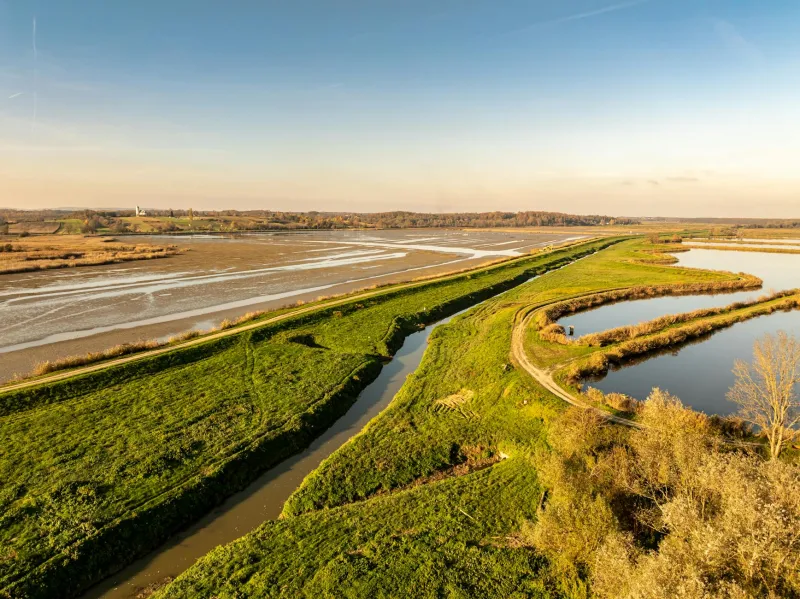
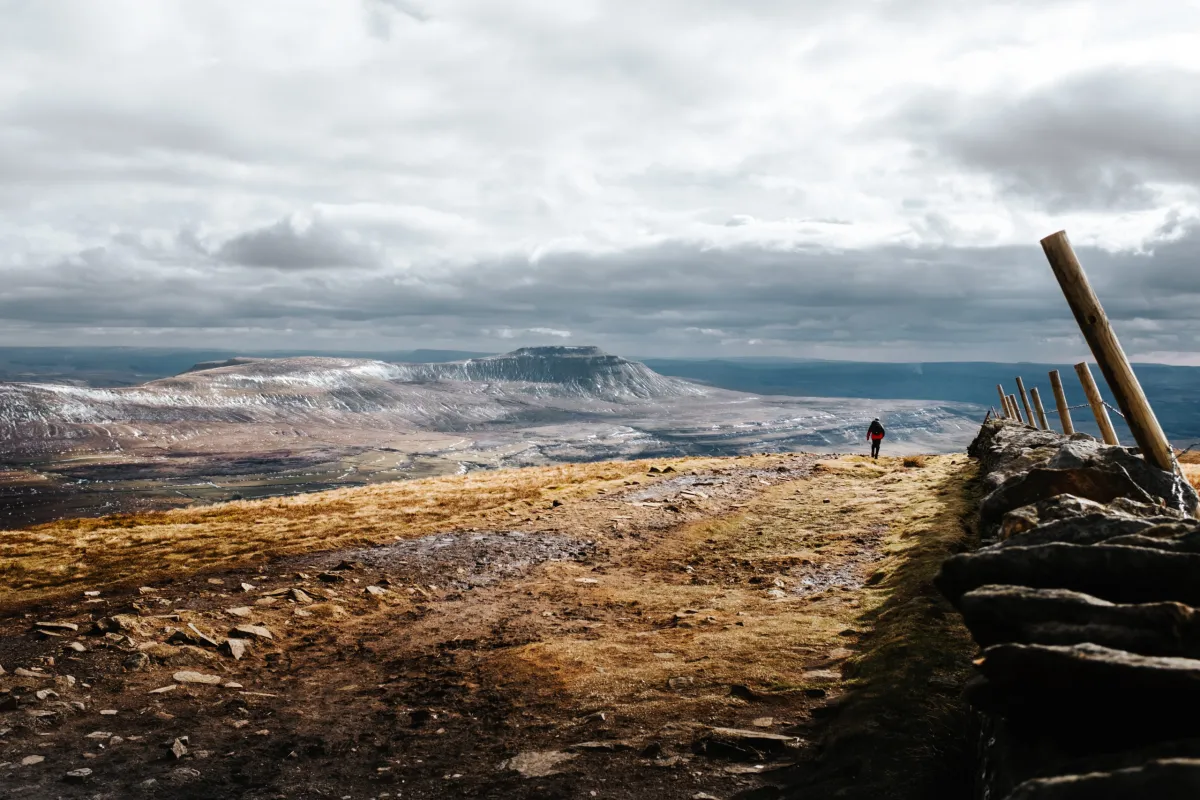 Photo: Yorkshire Dales, via i2.wp.com
Citizen Science Revolution
This transformation is being documented not by professional researchers alone, but by thousands of amateur naturalists whose collective observations are creating an unprecedented real-time map of ecological change. The Big Butterfly Count, coordinated by Butterfly Conservation, now receives over 130,000 submissions annually from gardens, parks, and countryside across the UK.
"What we're seeing is essentially a live experiment in climate adaptation," explains Dr Richard Walton, Head of Science at Butterfly Conservation. "These range expansions are happening faster than we can formally study them. Without citizen science, we'd be flying blind."
The granular detail captured by this army of volunteers reveals patterns that would be impossible to detect through traditional research methods. In the Lake District, local naturalist David Hetherington has tracked the gradual altitudinal ascent of the Common Blue butterfly, which now breeds 200 metres higher than it did in the 1990s. In the Scottish Borders, members of the Butterfly Conservation Scotland have documented the first confirmed sightings of Orange-tip butterflies north of the Forth-Clyde line.
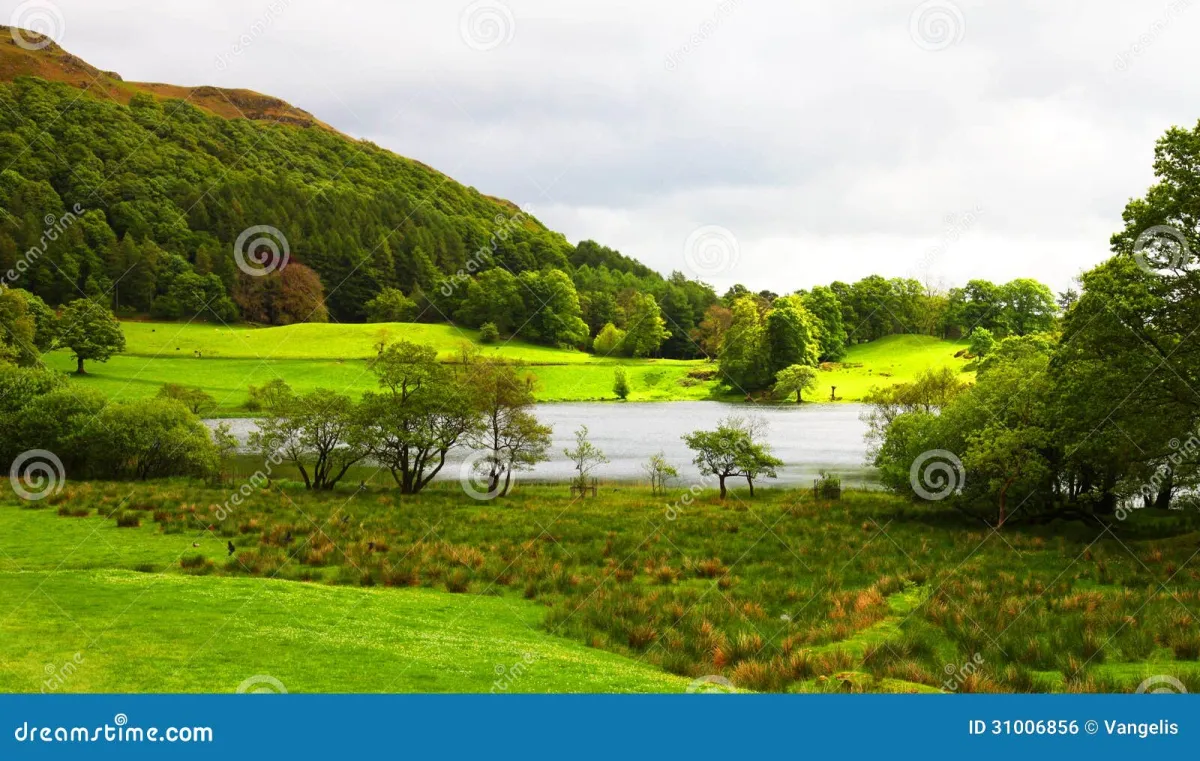 Photo: Lake District, via thumbs.dreamstime.com
The Climate Window Opens
Behind these range expansions lies a fundamental shift in Britain's thermal landscape. The Met Office reports that average temperatures have risen by 1.2°C since 1960, but this headline figure masks significant regional variation. Scotland has warmed faster than England, whilst upland areas show more dramatic temperature increases than lowlands.
For cold-sensitive butterfly species, this warming has unlocked previously uninhabitable territories. The Silver-spotted Skipper, once confined to chalk downlands in Surrey and Kent, now thrives on limestone grasslands in the Cotswolds and Peak District. Its caterpillars require specific soil temperatures during development—conditions that were simply unavailable in these northern locations until recent decades.
Professor Chris Thomas from the University of York has modelled how climate change affects butterfly distributions across Europe. His research suggests that many species are actually tracking their optimal climate zones as they shift northward. "We're not just seeing random dispersal," he notes. "These butterflies are following invisible thermal corridors that are opening up as Britain warms."
Ecological Disruption Beneath the Beauty
Yet this apparent success story masks deeper concerns about ecosystem stability. Many of the butterflies expanding northward are generalist species capable of adapting to various habitats and food plants. Meanwhile, specialist species with narrow ecological requirements are disappearing from their traditional strongholds.
The High Brown Fritillary, once widespread across Britain, has vanished from 90% of its historical range despite warming temperatures. Its caterpillars require specific woodland microclimates and violets that grow in the exact light conditions created by traditional coppice management—conditions that are disappearing as ancient woodland practices decline.
"We're witnessing a homogenisation of butterfly communities," warns Dr Caroline Bulman from the Centre for Ecology and Hydrology. "The species that can adapt and disperse are colonising new areas, whilst habitat specialists are being squeezed out. We're gaining butterflies in some places whilst losing irreplaceable ecological relationships in others."
The Northern Frontier
Nowhere is this transformation more dramatic than in Scotland, where species that were confined to England just decades ago are establishing thriving populations. The Comma butterfly, with its distinctive ragged wing edges, was first recorded breeding in Scotland in 2008. Today, it's common across the Central Belt and spreading into the Highlands.
Scottish Natural Heritage ecologist Dr Fiona Burns has tracked this northern expansion from her base in Stirling. "What's remarkable is the speed of colonisation," she observes. "These aren't tentative exploratory populations—they're establishing robust breeding colonies that persist year after year. We're witnessing the real-time assembly of new ecological communities."
The implications extend beyond butterflies themselves. Many expanding species serve as pollinators for native Scottish plants, potentially strengthening ecosystem resilience. However, they may also compete with existing species for resources or alter plant-pollinator networks that have evolved over millennia.
Evolutionary Pressure Cooker
As butterflies adapt to new environments, they're also evolving at unprecedented rates. Genetic analysis of expanding populations reveals that range-edge individuals often differ significantly from their southern relatives. The Speckled Wood butterfly populations that have colonised northern England show adaptations for cooler temperatures and shorter growing seasons.
Dr Helen Roy from the UK Centre for Ecology and Hydrology studies how climate change drives evolutionary adaptation in insects. "We're essentially watching evolution in fast-forward," she explains. "Butterflies at the northern edge of expanding ranges face strong selection pressure to adapt to local conditions. Some populations are developing genetic variants that would have taken centuries to evolve under stable climate conditions."
Conservation in a Changing World
This rapid ecological reshuffling challenges traditional conservation approaches based on protecting fixed habitats for specific species. If butterflies are naturally expanding their ranges in response to climate change, should conservationists assist this process or focus on protecting existing populations?
The debate is particularly acute regarding habitat creation. Some conservation groups advocate establishing "stepping stone" habitats to facilitate northward dispersal, whilst others argue that resources should focus on maintaining strongholds for declining specialist species.
"We're having to completely rethink what conservation means in a warming world," reflects Dr Walton. "Do we try to freeze ecosystems in their current state, or do we embrace and guide the changes that are already underway? There are no easy answers."
Harbingers of Change
As spring arrives earlier each year and summer temperatures climb toward new records, Britain's butterflies serve as delicate barometers of ecosystem transformation. Their northward journeys map the advancing frontiers of climate change whilst their disappearances from traditional haunts signal the retreat of familiar ecological relationships.
For the amateur naturalists documenting these changes—armed with cameras, apps, and decades of local knowledge—each new sighting represents both wonder and warning. The butterflies dancing through Scotland's warming meadows carry messages from a rapidly changing planet, their wings inscribed with the story of adaptation, loss, and the uncertain future of British nature.
In this age of ecological upheaval, perhaps the most profound lesson from Britain's butterfly migration is that change itself has become the only constant. The question facing conservationists and citizens alike is whether we can learn to read these aerial messengers quickly enough to respond to the transformations they herald.