The Underwater Cacophony
Every day, beneath the choppy grey waters surrounding Britain, an acoustic war wages against some of our most intelligent marine inhabitants. The North Sea, Celtic Sea, and Atlantic approaches that once carried only the songs of whales and the clicks of hunting dolphins now reverberate with the mechanical thunder of human enterprise.
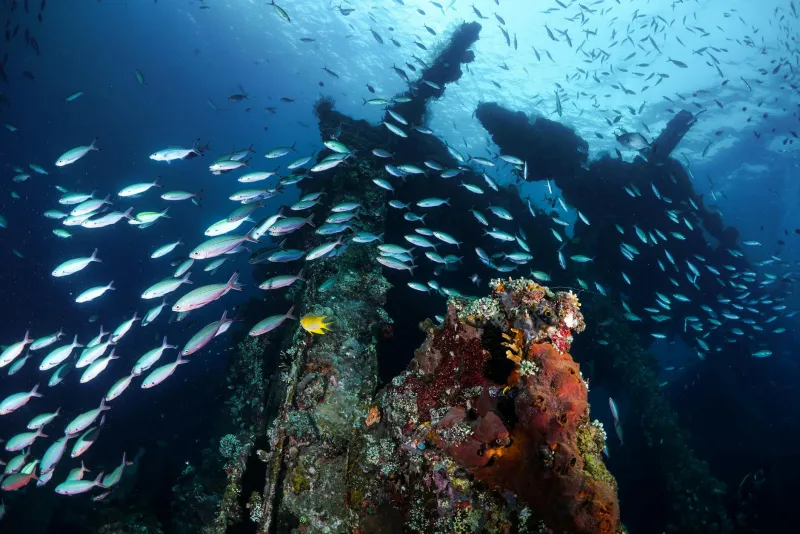
 Photo: North Sea, via mir-s3-cdn-cf.behance.net
Recent acoustic monitoring data from the University of Plymouth reveals that ambient noise levels in British waters have increased by 12 decibels since 1950—a seemingly modest figure that represents a sixteen-fold increase in actual sound intensity. This submarine cacophony stems from an industrial symphony: the low-frequency rumble of container ships plying the Dover Strait, the percussive hammering of offshore wind farm construction, and the piercing sonar sweeps of naval exercises.
When Sound Becomes Violence
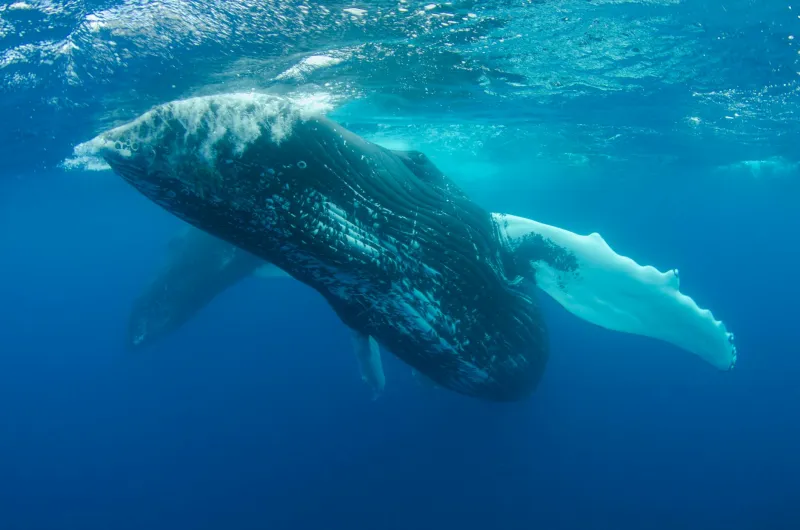
For marine mammals, sound is survival. Harbour porpoises use echolocation to navigate the murky waters of the Wash, whilst minke whales coordinate feeding strategies across vast distances through low-frequency calls that can travel hundreds of kilometres. This acoustic landscape, refined over millions of years of evolution, is being systematically destroyed.
Dr Sarah Henderson, a marine bioacoustician at the Scottish Association for Marine Science, has documented how shipping noise masks the feeding calls of fin whales in the Hebrides. "We're essentially blindfolding and deafening these animals simultaneously," she explains. "Imagine trying to hunt for food whilst someone operates a pneumatic drill next to your ear—that's the reality for cetaceans in our busiest shipping lanes."
The evidence is mounting across British waters. Strandings data from the Cetacean Strandings Investigation Programme shows a 340% increase in acoustic trauma cases since 2010, with post-mortem examinations revealing haemorrhaging around the ears and brain lesions consistent with sound exposure.
The Green Energy Paradox
Perhaps most troubling is the contribution of renewable energy infrastructure to this acoustic pollution. The construction of offshore wind farms—championed as essential for Britain's net-zero ambitions—involves pile-driving that generates sound levels exceeding 200 decibels underwater. To put this in perspective, a jet engine produces roughly 140 decibels in air.
The Dogger Bank wind farm, currently under construction 130 kilometres off Yorkshire's coast, has triggered temporary hearing loss in harbour seals monitored by researchers from the Sea Mammal Research Unit. Each pile strike sends shockwaves through the water column that can be detected by sensitive hydrophones over 100 kilometres away.
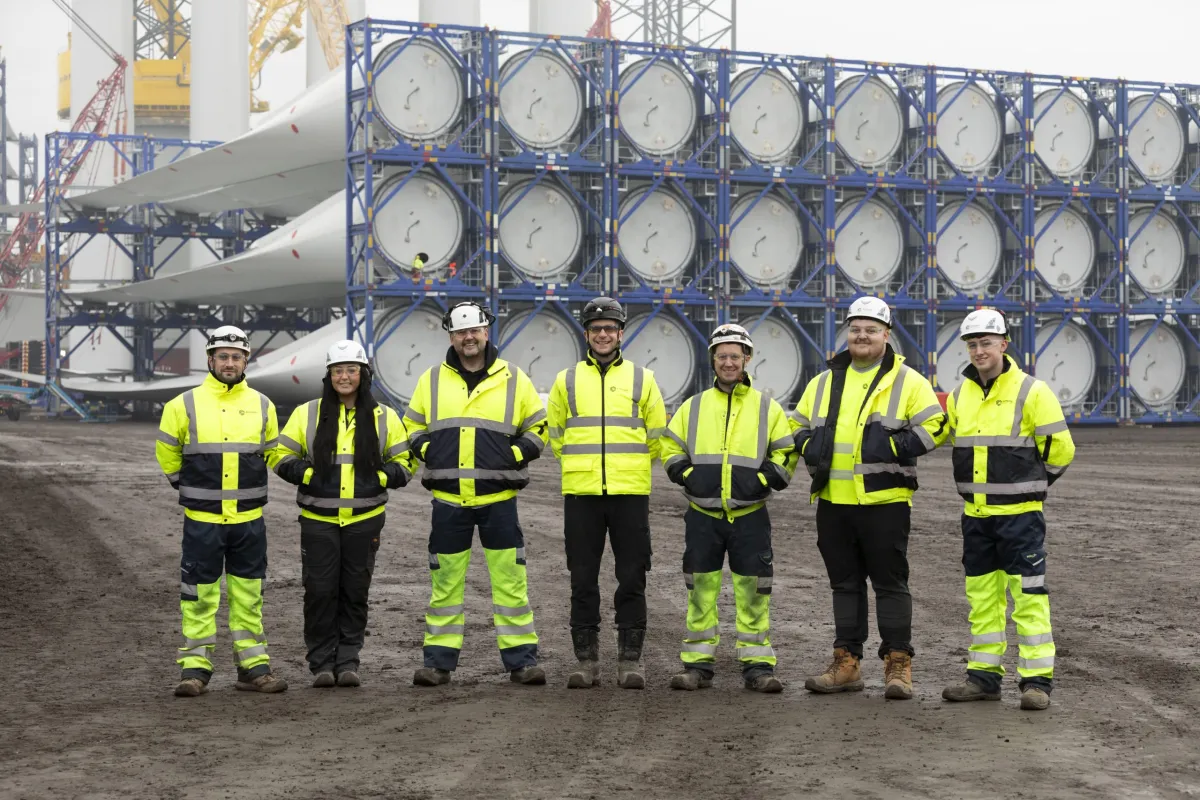 Photo: Dogger Bank wind farm, via eastgateengineering.com
"We're creating an impossible choice," argues Dr Marcus Jennings from the Marine Conservation Society. "We need renewable energy to combat climate change, but we're sacrificing the acoustic environment that marine life depends upon. It's environmental colonialism beneath the waves."
Regulatory Failures
Current Maritime and Coastguard Agency guidelines, established in 2004, permit noise levels that modern research suggests are catastrophically high for marine life. The regulations focus primarily on preventing immediate physical harm—such as burst eardrums—whilst ignoring the chronic stress and behavioural disruption caused by prolonged exposure to industrial noise.
European neighbours have adopted far stricter standards. Germany's Federal Maritime and Hydrographic Agency mandates noise mitigation measures that reduce underwater sound by up to 10 decibels during offshore construction. Denmark has implemented seasonal restrictions that protect porpoise breeding grounds. Britain, despite having some of the busiest shipping lanes in the world, maintains regulations that marine scientists describe as "woefully inadequate."
Voices from the Deep
The technological revolution in underwater acoustic monitoring is revealing the true scale of this crisis. Autonomous hydrophone arrays deployed across the Celtic Sea by researchers from Bangor University capture the acoustic fingerprints of individual whale populations, tracking how their behaviour changes in response to human noise.
These recordings tell devastating stories. Pilot whale pods in the waters west of Scotland now call at frequencies 15% higher than their counterparts in quieter Atlantic regions—an acoustic adaptation that suggests chronic stress. Mother-calf pairs of harbour porpoises demonstrate reduced vocal contact in areas with heavy shipping traffic, potentially disrupting the learning of crucial survival skills.
Charting a Quieter Course
Solutions exist, but they require political will and financial investment. Shipping companies can reduce underwater noise by 6-8 decibels simply by slowing vessels by 10%—a measure that would also reduce carbon emissions. Advanced hull designs and propeller technologies, already deployed by some Norwegian operators, can cut noise pollution by up to 75%.
For offshore renewable energy, bubble curtain systems and noise-dampening pile sleeves can dramatically reduce construction noise, though they add approximately 3% to project costs. Some developers argue this threatens the commercial viability of wind farms, but critics suggest this represents a false economy that externalises environmental costs onto marine ecosystems.
The Sound of Silence
As Britain accelerates its transition to renewable energy and shipping traffic continues to intensify, the acoustic environment of our seas faces unprecedented pressure. The whales, dolphins, and porpoises that navigate these waters by sound are becoming acoustic refugees in their own habitat.
Without urgent intervention, we risk creating seas that are green in energy terms but acoustically dead—a pyrrhic victory in our fight against climate change that sacrifices the very marine life we seek to protect. The question facing policymakers is stark: will we choose to hear the ocean's silent scream before it's too late?