The Underground Siege
Beneath the seemingly tranquil gardens and riverbanks of Britain, a silent war rages. Japanese knotweed (Fallopia japonica), introduced as an ornamental plant in the Victorian era, has evolved into one of the most formidable ecological threats facing the United Kingdom today. This bamboo-like perennial doesn't merely compete with native flora—it systematically dismantles the intricate web of relationships that have sustained British ecosystems for millennia.
The scale of this botanical invasion defies comprehension. From Cornwall's coastal paths to the Scottish Highlands, knotweed colonies spread with military precision, their underground rhizome networks extending up to seven metres from visible shoots. These subterranean fortresses can regenerate from fragments as small as 0.7 grams, making eradication extraordinarily challenging once established.
Economic Warfare on British Soil
The financial implications of this green invasion stretch far beyond garden maintenance costs. Conservative estimates place the annual economic burden at £166 million, encompassing property devaluation, infrastructure damage, and management expenses. Mortgage lenders now routinely reject applications for properties within seven metres of known infestations, effectively creating 'dead zones' in Britain's housing market.
Property developers face particularly acute challenges. The presence of knotweed can delay construction projects indefinitely, as regulations mandate complete eradication before development proceeds. In extreme cases, entire housing developments have been abandoned due to the prohibitive costs of remediation, highlighting how this invasive species threatens not just ecological integrity but economic stability.
Ecological Cascade Effects
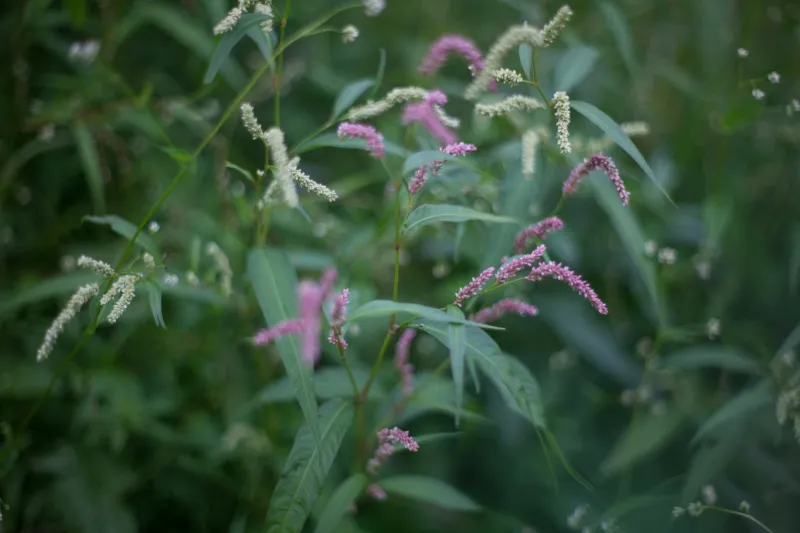
The environmental consequences extend far beyond simple plant displacement. Native species such as meadowsweet, purple loosestrife, and various willow species—cornerstone species in riparian ecosystems—find themselves systematically outcompeted by knotweed's aggressive growth patterns. This displacement creates cascading effects throughout local food webs.
British wildlife, from pollinating insects to small mammals, depends upon the complex relationships formed with native vegetation. Knotweed's dense monocultures offer minimal ecological value, supporting fewer than five insect species compared to the hundreds supported by equivalent native plant communities. The loss of these intricate relationships represents a fundamental rewiring of British ecosystems.
Riverbank stabilisation presents another critical concern. Whilst knotweed's surface growth appears robust, its shallow root system provides inadequate soil binding compared to native species. During winter months, when aerial growth dies back, previously stable banks become vulnerable to erosion, threatening both infrastructure and aquatic habitats.
Legal Frameworks and Homeowner Responsibilities
British law treats Japanese knotweed with unprecedented severity. Under the Wildlife and Countryside Act 1981, allowing knotweed to spread beyond property boundaries constitutes a criminal offence, potentially resulting in unlimited fines or two years' imprisonment. This legal framework reflects recognition of the species' extraordinary destructive potential.
Homeowners discovering knotweed face complex legal obligations. Immediate containment becomes paramount, requiring specialist knowledge and often professional intervention. The Environment Agency provides detailed guidance, but implementation proves challenging for property owners lacking botanical expertise. Misidentification remains common, with species such as Russian vine or ornamental bamboo frequently confused with genuine knotweed.
Property transactions require particular vigilance. Legal protocols now mandate disclosure of known infestations, with detailed management plans becoming standard requirements. Insurance companies increasingly exclude knotweed-related damage from standard policies, creating additional financial exposure for unwary homeowners.
Scientific Innovation and Biological Warfare
Amidst this ecological crisis, British scientists have pioneered innovative control strategies that offer genuine hope for long-term management. The introduction of Aphalara itadori, a Japanese psyllid insect, represents a watershed moment in biological control methodology. This diminutive sap-sucking insect, barely 2mm in length, demonstrates exquisite specificity for Japanese knotweed whilst posing minimal risk to native species.
Rigorous testing protocols spanning over a decade confirmed the psyllid's safety profile. Researchers subjected the insect to extensive host-range testing, exposing it to over 100 plant species including close relatives of knotweed. The results demonstrated remarkable specificity, with the psyllid showing no interest in alternative hosts.
Field trials across England and Wales have yielded encouraging preliminary results. Treated knotweed stands show reduced vigour, with some colonies experiencing significant population declines. However, scientists emphasise that biological control represents a long-term strategy rather than immediate solution, requiring patience and continued monitoring.
Integrated Management Strategies
Effective knotweed management demands sophisticated integrated approaches combining biological controls with traditional methods. Chemical treatments using glyphosate-based herbicides remain necessary for rapid response scenarios, particularly where infrastructure faces immediate threat.
Timing proves crucial for chemical interventions. Late summer applications, when plants translocate nutrients to underground storage organs, achieve maximum rhizome penetration. However, repeated treatments over multiple seasons remain necessary, with complete eradication often requiring five to ten years of consistent management.
Physical removal, whilst labour-intensive, offers viable solutions for smaller infestations when properly executed. Complete rhizome excavation requires specialist equipment and careful waste disposal, as contaminated soil must be treated as controlled waste under environmental regulations.
Future Landscapes and Conservation Optimism
The battle against Japanese knotweed represents broader themes in contemporary conservation biology. Climate change, globalisation, and habitat fragmentation create unprecedented challenges for ecosystem management, demanding innovative scientific responses and sustained public engagement.
Emerging technologies offer additional hope. Genetic research into knotweed's reproductive biology may reveal new vulnerability points, whilst remote sensing technologies enable more precise population monitoring. Community science initiatives increasingly engage citizen volunteers in surveillance networks, expanding detection capabilities across British landscapes.
The knotweed crisis ultimately reflects humanity's complex relationship with the natural world. Victorian confidence in environmental manipulation created this predicament, but twenty-first-century science offers tools for remediation that previous generations could never have imagined. Success demands not just scientific innovation but sustained commitment from government, industry, and individual citizens working together to restore Britain's native landscapes.
Through careful application of biological controls, continued research investment, and public awareness, the silent invasion beneath our gardens need not represent permanent ecological defeat. Instead, it may become testament to human ingenuity in partnership with natural processes, offering hope for similar conservation challenges facing our changing planet.