The Invisible Catastrophe Beneath Our Waves
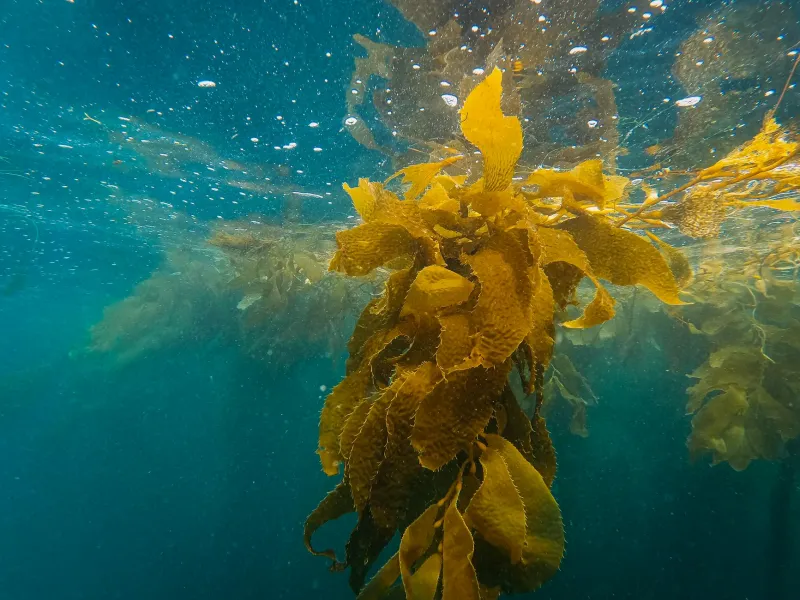
Beneath the choppy waters surrounding Britain's 11,000-mile coastline lies an environmental disaster unfolding in near-complete silence. The vast kelp forests that once dominated our shallow seas—stretching like underwater cathedrals from the granite cliffs of Cornwall to the windswept shores of Shetland—are vanishing at an unprecedented rate. These marine ecosystems, often dubbed the 'rainforests of the sea', have declined by more than 80% since the 1980s, representing one of the most significant yet overlooked ecological collapses in British waters.
The scale of this loss becomes staggering when viewed through historical records. Victorian marine biologists documented kelp forests extending for miles along the Devon and Dorset coasts, creating underwater landscapes so dense that fishermen could navigate by the patterns of swaying fronds visible from the surface. Today, those same waters reveal barren seabeds where only scattered remnants of once-mighty kelp communities persist, clinging to isolated rocky outcrops like the last trees in a clearcut forest.
The Perfect Storm of Destruction
The collapse of Britain's kelp forests results from a devastating convergence of human pressures and climate impacts. Rising sea temperatures, driven by anthropogenic climate change, have pushed these cold-water specialists beyond their thermal tolerance. The English Channel, traditionally a stronghold for kelp diversity, has experienced temperature increases of nearly 2°C over the past three decades—seemingly modest numbers that translate to ecological catastrophe for species adapted to cooler conditions.
Storm intensity has simultaneously escalated, with increasingly violent winter tempests literally ripping kelp forests from their rocky foundations. The 2013-2014 winter storms alone destroyed vast swathes of kelp habitat along the Cornish coast, losses from which many areas have never recovered. These natural disturbances, once occasional setbacks in kelp forest cycles, now occur with such frequency that regeneration becomes impossible.
Perhaps most destructively, decades of bottom trawling have systematically obliterated the rocky substrates essential for kelp attachment. Mobile fishing gear, dragged repeatedly across the seabed, has transformed complex three-dimensional reef systems into flattened underwater deserts. Areas off the Yorkshire coast that once supported towering kelp canopies now resemble moonscapes, scraped clean of the geological features that made forest establishment possible.
Cascading Consequences for Marine Life
The ecological ramifications of kelp forest loss ripple through Britain's entire marine food web. These underwater forests function as critical nursery habitats for commercially important fish species, including cod, pollack, and sea bass. The complex three-dimensional structure of kelp canopies provides shelter for juvenile fish whilst supporting extraordinary biodiversity—a single kelp forest can harbour over 400 species of invertebrates, fish, and marine plants.
The collapse particularly impacts species endemic to British waters. The native European sea urchin, once kept in check by kelp forest predators, now forms vast 'urchin barrens' across former kelp habitat. These spiny carpets prevent kelp regeneration whilst supporting minimal biodiversity, creating self-perpetuating cycles of ecological degradation.
Seabirds dependent on kelp forest fish populations face mounting pressure as prey species disappear. Puffin colonies along the Scottish coast have experienced dramatic breeding failures, partly attributed to the collapse of small fish populations that once thrived within kelp ecosystems. The interconnected nature of these marine communities means that kelp forest loss reverberates throughout the entire coastal food chain.
Carbon Storage and Climate Implications
Beyond biodiversity concerns, kelp forests represent crucial carbon sinks whose loss accelerates climate change. These marine plants sequester carbon at rates comparable to tropical rainforests, storing atmospheric CO2 in their tissues and exporting organic matter to deep-sea sediments. The destruction of Britain's kelp forests has released thousands of tonnes of stored carbon back into the atmosphere whilst eliminating a natural climate solution.
Recent research suggests that restoring kelp forests could contribute significantly to Britain's net-zero targets. The rapid growth rates of kelp species—some growing over half a metre daily—make them exceptionally efficient carbon capture systems. However, realising this potential requires immediate action to halt further forest destruction and implement large-scale restoration programmes.
Pioneering Restoration Efforts
Despite the scale of degradation, innovative restoration projects across Britain offer hope for kelp forest recovery. The Sussex Kelp Recovery Project represents Europe's largest kelp restoration initiative, deploying artificial reef structures whilst enforcing trawling exclusions across 300 square kilometres of former kelp habitat. Early results show promising signs of natural regeneration where fishing pressure has been removed.
In Scotland, the Orkney Islands have become a testing ground for novel restoration techniques. Marine biologists are experimenting with kelp transplantation methods, carefully relocating healthy kelp specimens to degraded sites whilst establishing protective zones around recovering areas. These efforts, supported by local fishing communities, demonstrate the potential for collaborative conservation approaches.
The University of Portsmouth has pioneered 'green gravel' techniques, coating small stones with juvenile kelp spores before distributing them across barren seabeds. This method accelerates natural recolonisation whilst proving more cost-effective than traditional restoration approaches.
A Blueprint for Marine Recovery
The fate of Britain's kelp forests ultimately depends on implementing comprehensive marine protection policies that address both immediate threats and underlying drivers of degradation. Establishing no-take marine reserves, restricting bottom-trawling activities, and enforcing seasonal fishing closures during critical kelp reproduction periods represent essential first steps.
Climate change mitigation remains paramount for long-term kelp forest survival. Without significant reductions in greenhouse gas emissions, rising sea temperatures will continue pushing these ecosystems beyond their survival thresholds. However, protecting existing kelp populations whilst restoring degraded habitats could help these marine forests adapt to changing conditions.
The restoration of Britain's underwater rainforests represents more than environmental rehabilitation—it embodies a fundamental shift towards recognising the ocean's role in planetary health. As we face mounting climate challenges, the recovery of these remarkable ecosystems offers a tangible pathway towards marine resilience, demonstrating that even the most damaged environments can be brought back from the brink of collapse.