The Great Unraveling of Britain's Natural Infrastructure
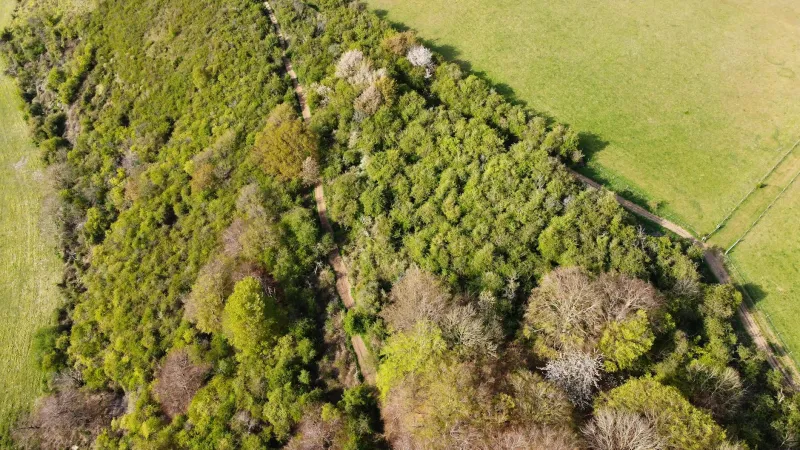
Across the British countryside, an environmental tragedy has been unfolding in slow motion for over seventy years. The ancient hedgerows that once formed an intricate web of green corridors—stretching an estimated 800,000 kilometres in the early 20th century—have been systematically erased from our landscape. Today, fewer than half remain, leaving behind a fractured mosaic of isolated habitats where wildlife once moved freely across the nation.
These living boundaries, some dating back a millennium, represent far more than mere field divisions. They constitute Britain's most extensive semi-natural habitat, supporting an extraordinary diversity of species whilst providing essential ecosystem services that underpin our agricultural productivity and environmental resilience.
The Accelerating Pace of Destruction
The post-war agricultural revolution marked the beginning of hedgerow Britain's decline. Government policies encouraging farm mechanisation and field enlargement led to wholesale removal of these woody barriers. Between 1950 and 1990, approximately 300,000 kilometres of hedgerows vanished—equivalent to removing a green corridor capable of stretching from London to Sydney seven times over.
Modern agricultural practices have intensified these pressures. The drive for efficiency demands larger fields, straighter boundaries, and unimpeded access for increasingly massive machinery. Each removed hedgerow represents not merely lost habitat, but the severing of ancient ecological pathways that have sustained wildlife populations for centuries.
Urban expansion has compounded this crisis. As housing developments consume agricultural land, the hedgerows that might have been preserved within farming systems disappear entirely beneath concrete and tarmac. Planning permissions frequently treat these features as obstacles rather than assets, despite their irreplaceable ecological value.
Ecological Collapse in the Margins
The consequences of hedgerow loss reverberate throughout Britain's ecosystem. These linear habitats support over 130 woody plant species, 65 bird species, and countless invertebrates. For many creatures, hedgerows function as essential corridors enabling movement between isolated patches of suitable habitat—a service that becomes increasingly critical as our landscape becomes more fragmented.
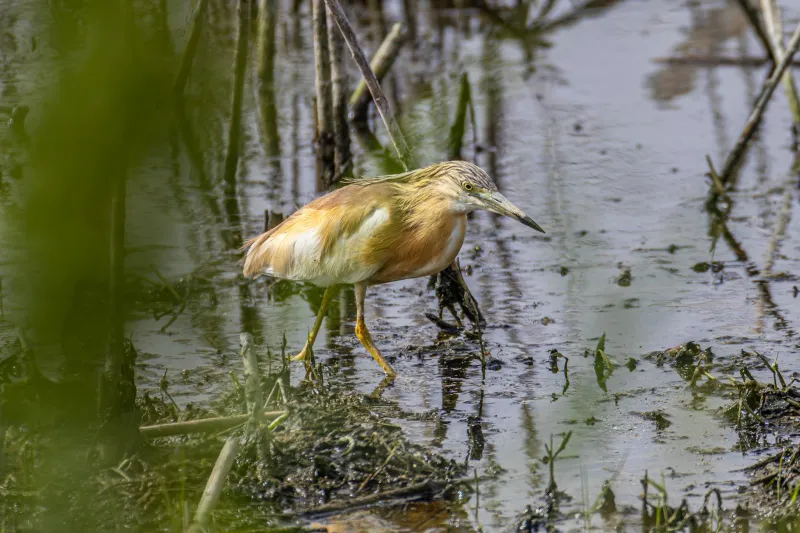
Britain's declining bird populations tell a particularly stark story. Species such as yellowhammers, linnets, and turtle doves have experienced catastrophic declines, with hedgerow loss identified as a primary driver. These birds depend on the diverse structure of mature hedgerows—the dense thorny base for nesting, the varied plant species for seeds, and the insect-rich environment for feeding their young.
Pollinating insects face equally severe challenges. Hedgerows provide crucial nectar sources throughout the growing season, offering a succession of flowering plants when agricultural crops provide little sustenance. The loss of these floral resources has contributed to the precipitous decline of native bee species, with knock-on effects for crop pollination and wild plant reproduction.
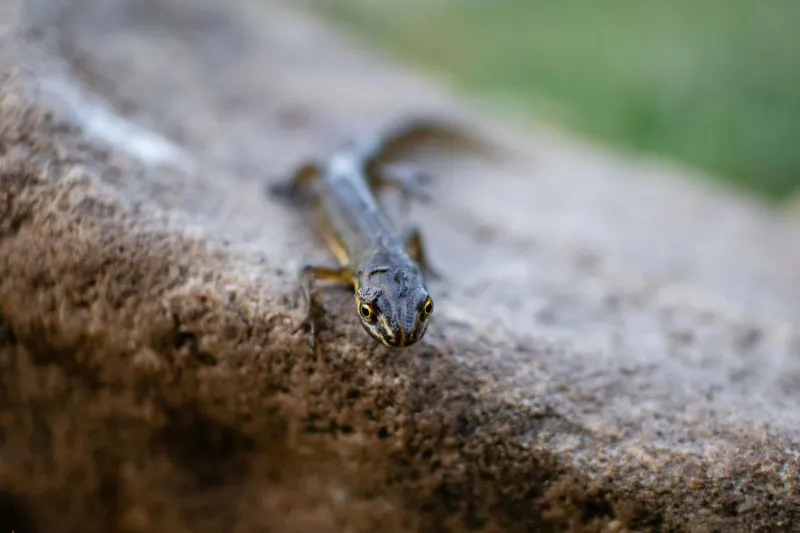
Small mammals, from hedgehogs to bank voles, rely on hedgerows for shelter, food, and safe passage across hostile agricultural landscapes. As these green corridors disappear, populations become increasingly isolated, reducing genetic diversity and making species more vulnerable to local extinctions.
The Hidden Economics of Hedgerow Services
Beyond their wildlife value, hedgerows provide substantial economic benefits often overlooked in land-use decisions. They act as natural windbreaks, reducing soil erosion and protecting crops from extreme weather. During increasingly frequent storm events, hedgerows help prevent agricultural land from washing away, protecting both productivity and water quality in downstream rivers.
These woody boundaries also serve as carbon sinks, storing significant quantities of carbon in their biomass and associated soils. Research suggests that Britain's remaining hedgerows sequester approximately 2.8 million tonnes of CO2 equivalent annually—a service worth millions of pounds in carbon market terms.
Flood management represents another crucial function. Hedgerows slow surface water runoff, reducing peak flows during heavy rainfall events. As climate change brings more intense precipitation, this natural infrastructure becomes increasingly valuable for protecting communities from flooding.
Seeds of Recovery: Restoration in Action
Despite decades of decline, innovative restoration projects across Britain demonstrate the potential for hedgerow recovery. The Hedgerow Futures project in Warwickshire has successfully re-established wildlife corridors using native species sourced from local populations, ensuring genetic compatibility with existing ecosystems.
In Cornwall, the Hedgerow Heroes initiative engages farmers in restoration efforts, providing both technical support and financial incentives for creating new boundaries and managing existing ones for biodiversity. Early results show remarkable recovery of bird populations along newly established corridors.
The National Trust has pioneered landscape-scale restoration, connecting fragmented habitats across large estates. Their work at Wicken Fen demonstrates how strategic hedgerow planting can create functional wildlife corridors spanning thousands of hectares.
Policy Pathways to Protection
Conservationists are pushing for stronger legal protections to halt further hedgerow losses. The current Hedgerow Regulations, implemented in 1997, protect only historically important boundaries, leaving many ecologically valuable hedgerows vulnerable to removal.
Proposed amendments would extend protection to all hedgerows over 20 metres in length, whilst requiring ecological assessments before any removal. New planning guidance could mandate hedgerow retention and enhancement within development schemes.
Post-Brexit agricultural policies offer unprecedented opportunities to incentivise hedgerow conservation. Environmental land management schemes could reward farmers for maintaining and creating these vital habitats, recognising their contribution to public goods including biodiversity, carbon storage, and flood management.
Reconnecting Our Fractured Landscape
The restoration of Britain's hedgerow network represents one of our most achievable conservation goals. Unlike other habitat creation projects, hedgerows can be established relatively quickly and cost-effectively, providing benefits within years rather than decades.
Success requires coordinated action across multiple scales—from individual landowners planting native hedging to government policies that recognise hedgerows' true value. Only by treating these living boundaries as essential infrastructure can we begin to repair the ecological damage of recent decades and create a landscape capable of supporting both wildlife and human communities in an uncertain future.
The threads that once bound our countryside together can be rewoven, but time is running short. Each hedgerow lost makes the task of reconnection more difficult, whilst each one restored brings us closer to a landscape where wildlife can once again move freely across the green arteries of Britain.