The Unraveling of a Conservation Triumph
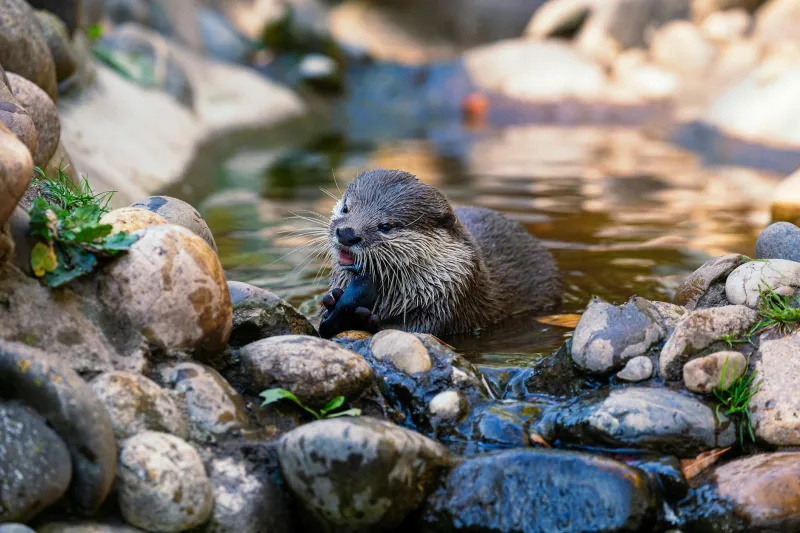
In the annals of British wildlife recovery, few stories have captured the public imagination quite like the return of the river otter. Once reduced to fewer than 6,000 individuals by the 1970s, these charismatic semi-aquatic mammals staged what appeared to be a miraculous comeback following the ban on organochlorine pesticides. By the early 2000s, otters had recolonised waterways from the Scottish Highlands to the chalk streams of Hampshire, earning their place as a symbol of environmental restoration.
Yet beneath this success story, a more troubling narrative has begun to emerge. Recent monitoring data from across England suggests that otter populations are experiencing a significant decline, with some regions reporting drops of up to 30% over the past decade. This unexpected reversal has sent shockwaves through the conservation community and raised urgent questions about the long-term viability of Britain's freshwater ecosystems.
The Complex Web of Modern Threats
Unlike the single catastrophic threat posed by DDT and other pesticides in the mid-20th century, today's challenges facing river otters are multifaceted and interconnected. Dr Sarah Mitchell, a freshwater ecologist at the University of Cambridge, describes the current situation as "a perfect storm of cumulative pressures that are slowly eroding the gains we made over the past three decades."
Habitat fragmentation stands as perhaps the most insidious threat. Britain's waterways have become increasingly disconnected through urban development, agricultural intensification, and infrastructure projects. Otters require extensive territories—a single adult male may patrol up to 40 kilometres of riverbank—yet many of our rivers now resemble isolated fragments rather than continuous corridors. This fragmentation not only limits breeding opportunities but also forces otters to traverse dangerous landscapes in search of suitable habitat.
Water quality deterioration presents another critical challenge. Despite improvements in industrial pollution controls, Britain's rivers face new contamination pressures from agricultural runoff, pharmaceutical residues, and microplastics. The Environment Agency's latest water quality assessments reveal that only 14% of English rivers meet good ecological status, a damning indictment of our freshwater management practices.
The Roads Less Travelled: A Deadly Gamble
Perhaps most visible among the threats facing otters is road mortality. As Britain's transport network has expanded and traffic volumes increased, waterway crossings have become death traps for these semi-aquatic mammals. The Otter Survey of England 2019-2021, conducted by the Environment Agency and Natural England, recorded over 400 otter road casualties—a figure that likely represents only a fraction of actual deaths.
"Every bridge without proper wildlife passages, every culvert that forces otters onto busy roads, represents a barrier to population recovery," explains James Crawford from the Wildlife Trusts. "We're essentially asking these animals to navigate a landscape designed entirely for human convenience."
The problem is particularly acute in southern England, where river valleys often run parallel to major transport corridors. The M40 corridor through Oxfordshire and the A303 in Wiltshire have become notorious otter mortality hotspots, with some sections claiming multiple casualties each year.
Climate Change: The Invisible Accelerant
Climate change adds another layer of complexity to the otter crisis. Increasingly erratic rainfall patterns are altering river flows, with prolonged droughts reducing water levels and concentrating pollutants, whilst sudden floods can wash away otter holts and disrupt breeding cycles. The extreme weather events of recent years—from the 2018 drought to the floods of 2019-2020—have placed additional stress on otter populations already struggling with other pressures.
Rising temperatures also affect the aquatic ecosystems upon which otters depend. Fish populations, particularly the salmonids that form a crucial part of the otter diet, are declining in many English rivers as water temperatures rise beyond their thermal tolerance. This reduction in prey availability forces otters to expand their territories further, increasing their exposure to roads and other hazards.
Towards a Sustainable Recovery
Despite the challenges, conservation organisations across Britain are developing innovative approaches to otter protection. The Westcountry Rivers Trust has pioneered the installation of artificial otter holts designed to withstand flooding whilst providing secure breeding sites. Meanwhile, Highways England has begun incorporating wildlife crossings into major infrastructure projects, with early results showing promising reductions in roadkill incidents.
River restoration projects offer perhaps the greatest hope for long-term otter recovery. Initiatives such as the River Chess restoration in Hertfordshire and the Wandle revival in South London demonstrate how strategic habitat improvements can rapidly benefit otter populations. These projects focus on creating continuous habitat corridors, improving water quality, and establishing buffer zones that reduce human-wildlife conflict.
The Indicator Species Imperative
The decline of Britain's river otters serves as a stark reminder that conservation success requires ongoing vigilance and adaptive management. As apex predators in freshwater ecosystems, otters function as indicator species—their population health reflects the broader condition of our rivers and streams.
"If we can't maintain healthy otter populations despite decades of conservation effort and legal protection, what does that say about our ability to safeguard freshwater biodiversity more broadly?" asks Dr Mitchell. "The otter crisis is fundamentally a freshwater ecosystem crisis."
The path forward requires a fundamental shift in how Britain approaches freshwater management. Rather than treating rivers as drainage channels or recreational amenities, we must recognise them as complex ecosystems requiring comprehensive protection. This means integrating otter conservation into broader landscape-scale planning, from housing developments to transport infrastructure.
As we face an uncertain environmental future, the fate of Britain's river otters will serve as a litmus test for our commitment to genuine sustainability. Their recovery from near-extinction proved that dedicated conservation action can achieve remarkable results. Whether we can maintain and build upon these gains will determine not just the future of otters, but the health of Britain's freshwater heritage for generations to come.