The Vanishing Foundation of British Wildlife
Across the British countryside, a silent catastrophe unfolds beneath our feet. Where once sprawling wildflower meadows carpeted the landscape in vibrant tapestries of colour, intensive agriculture has reduced these biodiverse havens to mere fragments. The statistics are staggering: since the 1930s, Britain has lost over 97% of its species-rich grasslands, transforming a landscape that supported countless insects into sterile monocultures.
This ecological tragedy extends far beyond aesthetic loss. Wildflower meadows represent the foundation stones of British biodiversity, supporting intricate webs of life that have evolved over millennia. Each lost meadow represents thousands of broken ecological relationships—between plants and pollinators, predators and prey, decomposers and their substrates.
The Insect Apocalypse Unfolding
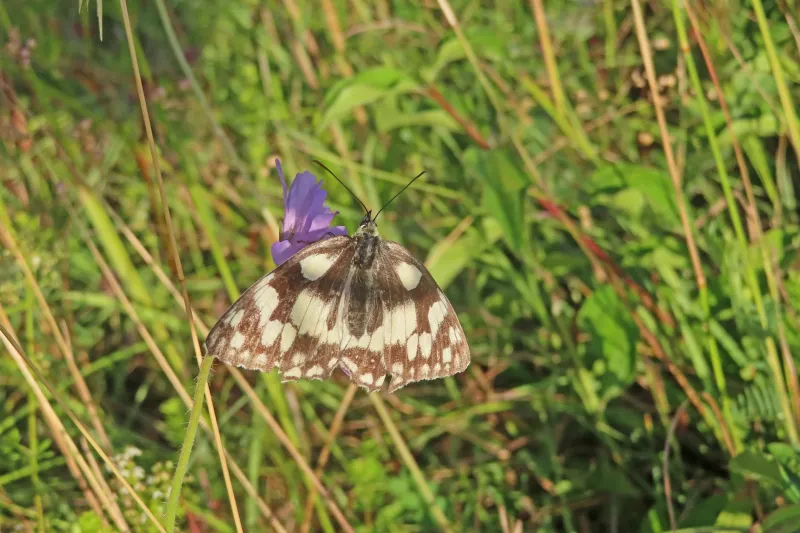
The consequences of meadow destruction reverberate through every level of the food chain. Britain's insect populations have collapsed by 60% since 1970, with some species experiencing even more dramatic declines. Butterflies, once common sights in British gardens and countryside, have suffered particularly severe losses. The small tortoiseshell butterfly has declined by 77% since the 1970s, whilst the wall brown butterfly has virtually disappeared from many regions.
Bees, the cornerstone pollinators of British ecosystems, face an equally dire situation. Over 35 bee species have become extinct in Britain since 1900, with many more teetering on the brink. The rusty patched bumblebee, once widespread across southern England, hasn't been reliably recorded since 2009. These losses cascade upward, affecting the 70% of British flowering plants that depend on insect pollination.
Beetles, moths, and countless other invertebrates that form the invisible backbone of British ecosystems are experiencing similar population crashes. The stag beetle, Britain's largest terrestrial beetle, has vanished from entire counties where it once thrived. Moth populations have declined by over 30% since 1968, removing crucial nocturnal pollinators and prey species from the ecosystem.
Agricultural Intensification: The Primary Culprit
The transformation of British agriculture following World War II fundamentally altered the countryside's ecological character. Government policies encouraging maximum food production led to the widespread conversion of species-rich meadows into intensive arable land or improved pasture. Chemical fertilisers, pesticides, and frequent mowing replaced the traditional hay-making practices that had sustained meadow ecosystems for centuries.
Modern agricultural techniques create landscapes hostile to insect life. Pesticides directly kill beneficial insects alongside their intended targets, whilst herbicides eliminate the diverse plant communities that support specialist insect species. The shift from hay meadows, cut once or twice annually, to silage production involving multiple cuts throughout the growing season prevents plants from flowering and insects from completing their life cycles.
Cascading Ecological Consequences
The insect collapse triggered by meadow loss reverberates throughout British ecosystems. Bird populations dependent on insects for food have experienced precipitous declines. Skylark numbers have fallen by 75% since 1970, whilst yellowhammer populations have crashed by 85%. These species cannot adapt quickly enough to the sudden disappearance of their insect prey.
Soil ecosystems, too, suffer from reduced insect diversity. Many beetle species that once recycled nutrients and aerated soil have disappeared, compromising soil health and agricultural productivity. The loss of pollinators threatens wild plant reproduction, potentially triggering further ecosystem simplification.
Innovation in Meadow Restoration
Despite the grim statistics, pioneering conservation projects across Britain demonstrate that meadow restoration remains possible. The Coronation Meadows initiative, launched in 2013, has created a network of species-rich grasslands across the UK, using seed harvested from surviving ancient meadows to establish new habitats.
In Yorkshire, the Magnificent Meadows project has restored over 2,000 hectares of species-rich grassland, working with farmers to balance agricultural productivity with biodiversity conservation. Traditional hay-making techniques are being revived, with cutting delayed until after flowers have set seed, allowing insect populations to recover.
The Royal Botanic Gardens at Kew has developed innovative seed mixes specifically designed for different British soil types and climatic conditions. These scientifically formulated meadow restoration packages enable landowners to recreate authentic wildflower communities that support diverse insect populations.
Practical Solutions for Recovery
Farmers across Britain are discovering that meadow restoration can complement modern agriculture. Environmental stewardship schemes provide financial incentives for creating and maintaining species-rich grasslands. Buffer strips along field margins, when planted with native wildflowers, support beneficial insects that provide natural pest control services.
Local councils increasingly recognise the value of urban meadow creation. Cities like Sheffield and Bristol have transformed parks and roadside verges into mini-meadows, supporting urban insect populations whilst reducing maintenance costs. These urban oases serve as stepping stones, allowing insects to move between larger habitat patches.
Ordinary gardeners wield considerable collective power in meadow restoration. Converting portions of lawns to wildflower meadows, however small, creates vital habitat patches. Native plant societies across Britain provide guidance on appropriate species selection and establishment techniques.
The Path Forward
Britain stands at an ecological crossroads. The meadow crisis and resulting insect collapse represent symptoms of a broader environmental crisis requiring urgent, coordinated action. However, the growing network of restoration projects demonstrates that recovery remains possible with sufficient commitment and resources.
Success requires partnership between government, farmers, conservationists, and citizens. Policy reforms must incentivise biodiversity-friendly farming practices, whilst planning regulations should mandate habitat creation in new developments. Educational initiatives must reconnect the British public with their natural heritage, fostering understanding of meadows' ecological importance.
The window for action narrows with each passing season, as remaining insect populations fragment and ancient seed banks disappear. Yet the resilience of nature, when given opportunity, offers hope. Across Britain, wildflower meadows can bloom again, supporting the intricate web of life that makes our countryside truly alive.