Britain's Hidden Carbon Vaults: How Ancient Peat Bogs Could Save Our Climate Future
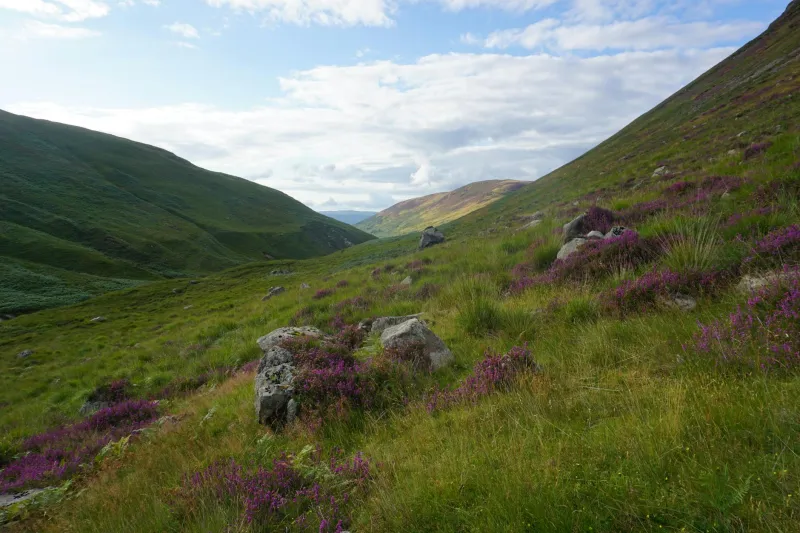
Across the misty expanses of Scotland's Flow Country and the atmospheric stretches of the Somerset Levels, an ancient climate solution lies hidden beneath our feet. Britain's peat bogs, formed over millennia through the slow accumulation of partially decomposed organic matter, represent one of our most potent weapons against climate change—yet for centuries, we've been systematically destroying them.
The Carbon Powerhouse Beneath Our Feet
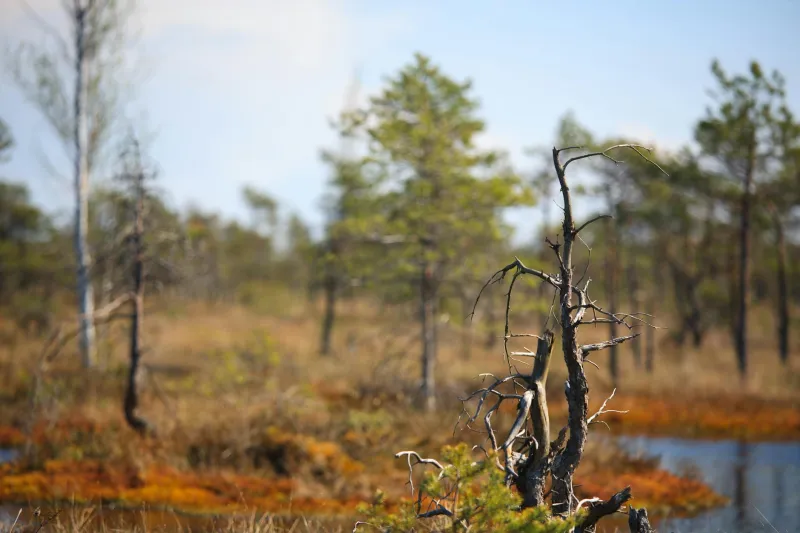
Peat bogs are extraordinary carbon storage systems, locking away atmospheric CO2 in waterlogged conditions that prevent complete decomposition. These seemingly barren landscapes store approximately 3.2 billion tonnes of carbon—more than double the amount held in all of Britain's forests and woodlands combined. To put this in perspective, our peat stores contain roughly 50 times the UK's annual carbon emissions.
The science behind peat formation is both elegant and profound. In the anaerobic conditions created by permanent waterlogging, plant material decomposes incredibly slowly, building up layers of carbon-rich peat at a rate of just one millimetre per year. Some of our deepest peat deposits represent 10,000 years of continuous carbon accumulation, making them living archives of Britain's post-glacial climate history.
Dr Sarah Mitchell from the UK Centre for Ecology & Hydrology explains: "When peat bogs are healthy and wet, they're actively removing CO2 from the atmosphere. But drain them, and they become massive carbon sources, releasing stored carbon that's been locked away for millennia."
The Great Drainage Disaster
For over 300 years, Britain has systematically drained and extracted peat on an industrial scale. Agricultural conversion, commercial peat extraction for horticulture, and forestry plantations have destroyed over 80% of our original peat bog habitat. The Flow Country alone—Europe's largest blanket bog system—has lost nearly half its original extent to conifer plantations and drainage schemes.
This destruction has transformed our peat bogs from carbon sinks into carbon sources. Drained peat oxidises rapidly, releasing stored carbon as CO2 at alarming rates. Current estimates suggest that degraded UK peatlands emit around 23 million tonnes of CO2 annually—equivalent to the emissions from 12 million cars.
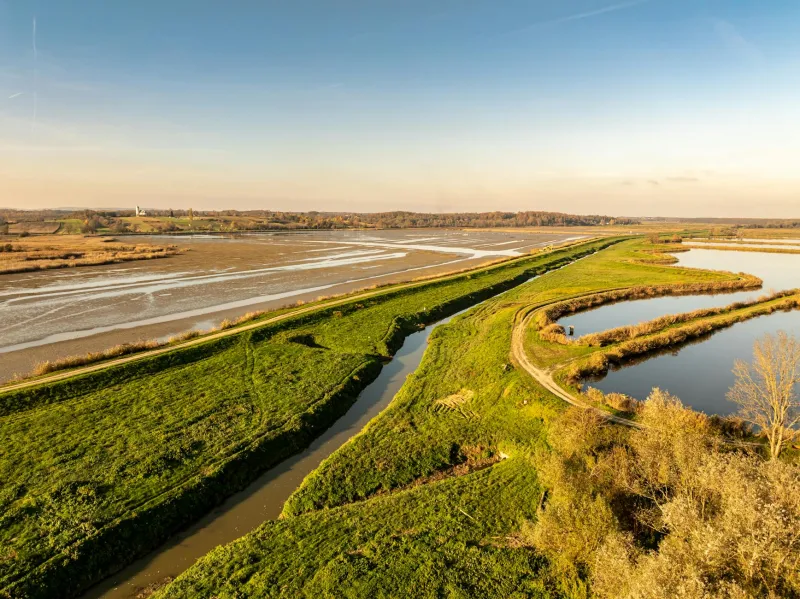
The Somerset Levels exemplify this tragedy. Once a vast wetland ecosystem supporting unique wildlife and traditional farming practices, decades of intensive drainage for agriculture have left much of the peat severely degraded. The famous 2014 floods, which devastated local communities, highlighted the consequences of disrupting these natural water management systems.
Racing Against Time: The Rewetting Revolution
Fortunately, a growing coalition of conservationists, scientists, and policymakers recognises the urgent need for peat bog restoration. Ambitious rewetting projects across Britain are now racing to restore these landscapes before critical climate tipping points are reached.
The Scottish Government's ambitious target to restore 250,000 hectares of peatland by 2030 represents one of Europe's largest rewetting initiatives. In the Flow Country, partnerships between organisations like the RSPB, NatureScot, and local communities are removing drainage channels and blocking ditches to restore natural water levels.
Similar efforts are underway across England and Wales. The Great Fen project in Cambridgeshire aims to create a vast wetland landscape connecting Holme Fen and Woodwalton Fen, whilst in the Peak District, the Moors for the Future Partnership has successfully restored over 30 square kilometres of damaged peat bog.
Community Champions and Government Backing
What makes these restoration efforts particularly encouraging is the combination of grassroots enthusiasm and government support. Local communities are increasingly recognising that healthy peat bogs provide multiple benefits beyond carbon storage—flood management, water purification, biodiversity conservation, and sustainable tourism opportunities.
In the Yorkshire Dales, farmer-led initiatives are demonstrating how peat bog restoration can work alongside traditional land management. The Pennine PeatLIFE project has shown that blocking drainage grips and encouraging sphagnum moss growth can restore peat-forming conditions whilst maintaining grazing rights for local farmers.
Government backing has also strengthened significantly. The England Peat Action Plan commits £640 million to peatland restoration, whilst Scotland's Peatland ACTION programme has already restored over 28,000 hectares since 2012. These investments recognise that peat bog restoration offers exceptional value for money in climate mitigation terms—costing roughly £20-£40 per tonne of CO2 saved.
The Path Forward
Despite encouraging progress, the scale of restoration required remains daunting. Climate scientists warn that limiting global temperature rise to 1.5°C requires rapid decarbonisation alongside massive natural carbon storage enhancement. Britain's peat bogs could play a crucial role in meeting these targets, but only if restoration efforts accelerate dramatically.
The signs are promising. Advances in remote sensing technology are helping identify priority restoration sites, whilst innovative techniques like helicopter-based sphagnum moss seeding are speeding up recovery processes. Perhaps most importantly, public awareness of peat bogs' climate importance is growing rapidly.
As we face the climate emergency, Britain's ancient peat bogs offer a rare combination of massive mitigation potential and proven restoration techniques. These waterlogged landscapes, formed over millennia, could yet prove crucial in securing our climate future—if we act with the urgency they deserve.
The next decade will determine whether we can transform our degraded peatlands from carbon sources back into the powerful carbon sinks they once were. For Britain's climate ambitions, and our planet's future, there may be no more important challenge.